Failure to Conduct Background Checks
When an organization skips the screening that would have flagged a dangerous person, it can be held responsible for the harm that follows. You did nothing wrong. The institution did.
What it means
When an institution fails to conduct background checks.
Schools, churches, youth programs, medical practices, and care facilities have a duty to screen the people they put in contact with children and vulnerable adults. That duty is not optional. A background check is meant to surface prior arrests, convictions, terminations, license discipline, or documented complaints: the kind of red flags that should keep a dangerous person away from kids. When an organization never runs that check, runs it carelessly, or ignores what it finds, it leaves the door open for abuse that proper screening could have prevented. This matters because institutions are often in a far better position to stop abuse than any survivor or family could ever be. They control who gets hired, who gets access, and who gets supervised. When they cut corners on screening to save time or money, the law can hold them accountable for the foreseeable consequences. If you were harmed by someone an institution failed to vet, the responsibility for that gap rests with the institution, not with you.Time limits do apply, and they vary by state. Many states have recently expanded or reopened the window to file. A free, confidential call simply tells you where you stand — no pressure, no obligation.
How it works
How failure to conduct background checks works in a sexual abuse case.
To hold an institution responsible under this theory, a case generally shows that the organization had a duty to screen, failed to do so reasonably, and that this failure enabled the abuse. The question is whether a careful organization would have caught the warning signs, and whether catching them would have changed the outcome.- A duty to screen. The institution placed the person in a role with access to children or vulnerable adults, which created a responsibility to vet them.
- No check, or a careless one. The organization ran no background check, used a check it knew was inadequate, or skipped basic steps like verifying references and prior employment.
- Available red flags. A proper check would have surfaced something — a prior conviction, a revoked license, a documented complaint, or a suspicious gap in employment history.
- Ignored results. In some cases, the institution did run a check, saw a warning sign, and hired or kept the person anyway.
- A causal link. The unvetted person used the access the institution granted them to commit the abuse, making the harm a foreseeable result of the screening failure.
Why survivors trust us
Real attorneys. Proven results. Quiet strength.
Where this applies
Settings where screening failures cause harm
Background-check failures show up across the same institutions survivors trust most. These are common settings where inadequate screening has allowed abuse.
Schools & youth programs
Teachers, coaches, aides, and volunteers are placed with children every day. Skipped or careless screening can let a known risk slip into a classroom or locker room.
Churches & faith organizations
Clergy, youth leaders, and volunteers often gain deep trust and access. Failure to vet them — or to check across prior congregations — has enabled serious harm.
Medical & care facilities
Hospitals, clinics, and nursing homes must verify licenses and discipline history. Hiring a provider whose record was never checked puts patients at direct risk.
Camps, daycares & sports
Programs that hire seasonal or part-time staff sometimes treat screening as a formality. That shortcut can place an unvetted adult in charge of children.
Simple & safe
How it works
Reach out privately
Call or fill out a short, confidential form. Tell us only what you’re comfortable sharing.
We listen & match you
We connect you with an attorney licensed in your state who handles your type of case.
You decide what’s next
Your free consultation is no-obligation. If you move forward, there’s no fee unless you win.
Named, credentialed, local
Attorneys licensed in your state
Every connection is to a real attorney with verifiable credentials and a record of holding institutions accountable.
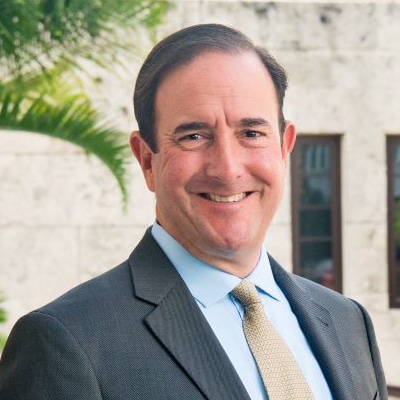
Michael Haggard, Esq.

Laurence Banville, Esq.

Eric Weitz, Esq.

Max Morgan, Esq.

Jeff Gibson, Esq.

Ervin Nevitt, Esq.
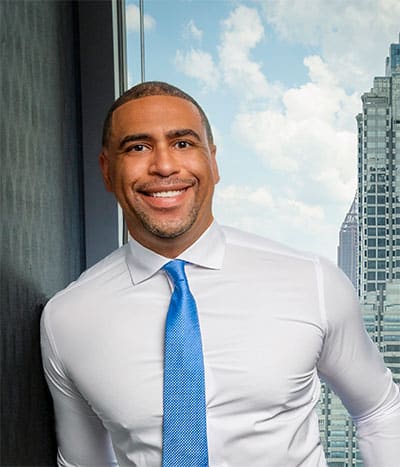
John Bey, Esq.

Aman Sharma, Esq.

Dan Lipman, Esq.

Joshua Gillispie, Esq.

Jennifer Lipinski, Esq.

Aaron Blank, Esq.
Common questions
Failure to conduct background checks: your questions answered
What is failure to conduct background checks?
It is when an institution places someone in a position of trust — a job, coaching role, or volunteer post with access to children or vulnerable adults — without the reasonable screening that would have revealed they were dangerous. When that gap allows abuse to happen, the institution can be held legally responsible for the harm.
How do you prove a negligent background check lawsuit?
You show the institution had a duty to screen, failed to do it reasonably, that a proper check would have surfaced warning signs, and that this failure allowed the abuse. Attorneys gather hiring files, screening policies, personnel records, and prior-employer history to demonstrate what the organization should have known.
What are examples of a background-check failure?
Common examples include running no check at all, skipping reference and prior-employment verification, using a check the institution knew was inadequate, failing to check records across other states or prior employers, and — most damaging — running a check that revealed a red flag and hiring the person anyway.
Can this apply to my case if the abuser had no prior record?
Possibly. A clean record does not end the inquiry. Some cases rest on the institution skipping reference checks, ignoring documented complaints, or failing to verify a suspicious employment gap. An attorney can review what screening was done and whether reasonable steps would have changed anything.
Is the institution responsible even if the abuser is the one who committed the harm?
Yes. The abuser is responsible for their own conduct, and the institution can be separately responsible for the screening failure that gave that person access. Holding the organization accountable does not excuse anyone — it adds a second, often better-resourced, source of accountability.
Is there a deadline to file?
Yes, every state sets time limits for abuse claims, and many have expanded or revived those windows in recent years. Deadlines vary widely depending on your state and your age when the abuse occurred. Because the calculation can be complex, it is worth confirming your specific window with an attorney sooner rather than later.
What does it cost to pursue a case?
Most attorneys in this area work on a contingency basis, which means you pay no upfront or hourly fees. They are paid only as a percentage if your case succeeds, and a consultation to understand your options is free and confidential. You can learn where you stand without any financial commitment.
What can a case recover?
Compensation depends on the facts, but claims may address the cost of therapy and counseling, related medical care, lost income, and the lasting personal impact of the abuse. An attorney can explain what a claim against a negligent institution might realistically address in your situation.
Free & confidential
Talk with someone who understands
If you were harmed by someone an institution failed to screen, you can speak with us confidentially. There is no cost and no obligation: just a clear, compassionate answer about your options.
- 100% confidential — your privacy is protected
- No fee unless we win your case
- You stay in control of every step
Prefer to talk now? (877) 421-9608
Start your free case review
It only takes a minute. Share what you’re comfortable with.
You don’t have to carry this alone.
Take the first step on your terms. A free, confidential conversation could be the start of getting the justice and support you deserve.