TVPRA Trafficking Liability
The federal trafficking law lets you hold not just a trafficker accountable, but the businesses that knowingly profited from the harm. Here is what that means for you.
What the law actually says
TVPRA trafficking liability: survivors can sue both the trafficker and businesses that knowingly benefited from the trafficking.
The Trafficking Victims Protection Reauthorization Act (TVPRA) includes a civil remedy: a right that belongs to you, not a prosecutor. You can file your own lawsuit and seek damages entirely independent of any criminal case. That distinction matters: what a government attorney chooses to do, or not do, has no bearing on your claim. The civil provision also reaches beyond the person who harmed you directly. It allows you to hold accountable a company or organization that knowingly benefited from participating in a venture it knew, or should have known, was engaged in trafficking. That means institutional liability is on the table whenever a business profited from the situation.
Traffickers often have no money and are nowhere to be found. Institutions are different; the hotel is still operating, the platform is still collecting fees, and the staffing arrangement is still in place. The law accounts for that reality. Financial benefit, combined with knowledge, can be enough to put a business on the hook without requiring you to prove it was the one running the trafficking operation. You do not have to show the company trafficked anyone; only that it participated in and profited from a venture it knew or should have known about.
Time limits do apply, and they vary by state. Many states have recently expanded or reopened the window to file. A free, confidential call simply tells you where you stand — no pressure, no obligation.
The building blocks
How TVPRA liability works in a sexual abuse case.
When lawyers evaluate a TVPRA claim against an institution, they are usually looking at a handful of elements. Each one is a fact that can be shown with documents, witnesses, and patterns, not a graphic retelling of what happened to you.- A trafficking venture existed. There was a scheme in which a person was caused to perform commercial sex acts or labor through force, fraud, coercion, or, for a minor, simply by being underage.
- The defendant participated in that venture. The business or person was involved in or connected to the scheme, not a complete stranger to it.
- The defendant knowingly benefited. It received something of value: money, room revenue, fees, and bookings tied to the venture.
- Knew or should have known. It either knew about the trafficking or ignored signs that a reasonable business would have caught and acted on.
Why survivors trust us
Real attorneys. Proven results. Quiet strength.
Where it applies
Settings where TVPRA liability commonly comes up
The same legal theory reaches across very different institutions. These are some of the most common.
Hotels & hospitality
Properties and franchises that took in room revenue while ignoring clear warning signs on their premises.
Workplaces & staffing
Employers or labor arrangements that profited from coerced labor or commercial exploitation of workers.
Online platforms
Websites and apps that knowingly earned fees from advertising or facilitating exploitation.
Residential & care settings
Group homes, facilities, and businesses that benefited from the control or movement of vulnerable people.
Simple & safe
How it works
Reach out privately
Call or fill out a short, confidential form. Tell us only what you’re comfortable sharing.
We listen & match you
We connect you with an attorney licensed in your state who handles your type of case.
You decide what’s next
Your free consultation is no-obligation. If you move forward, there’s no fee unless you win.
Named, credentialed, local
Attorneys licensed in your state
Every connection is to a real attorney with verifiable credentials and a record of holding institutions accountable.
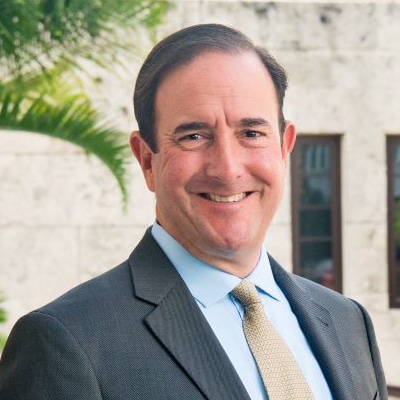
Michael Haggard, Esq.

Laurence Banville, Esq.

Eric Weitz, Esq.

Max Morgan, Esq.
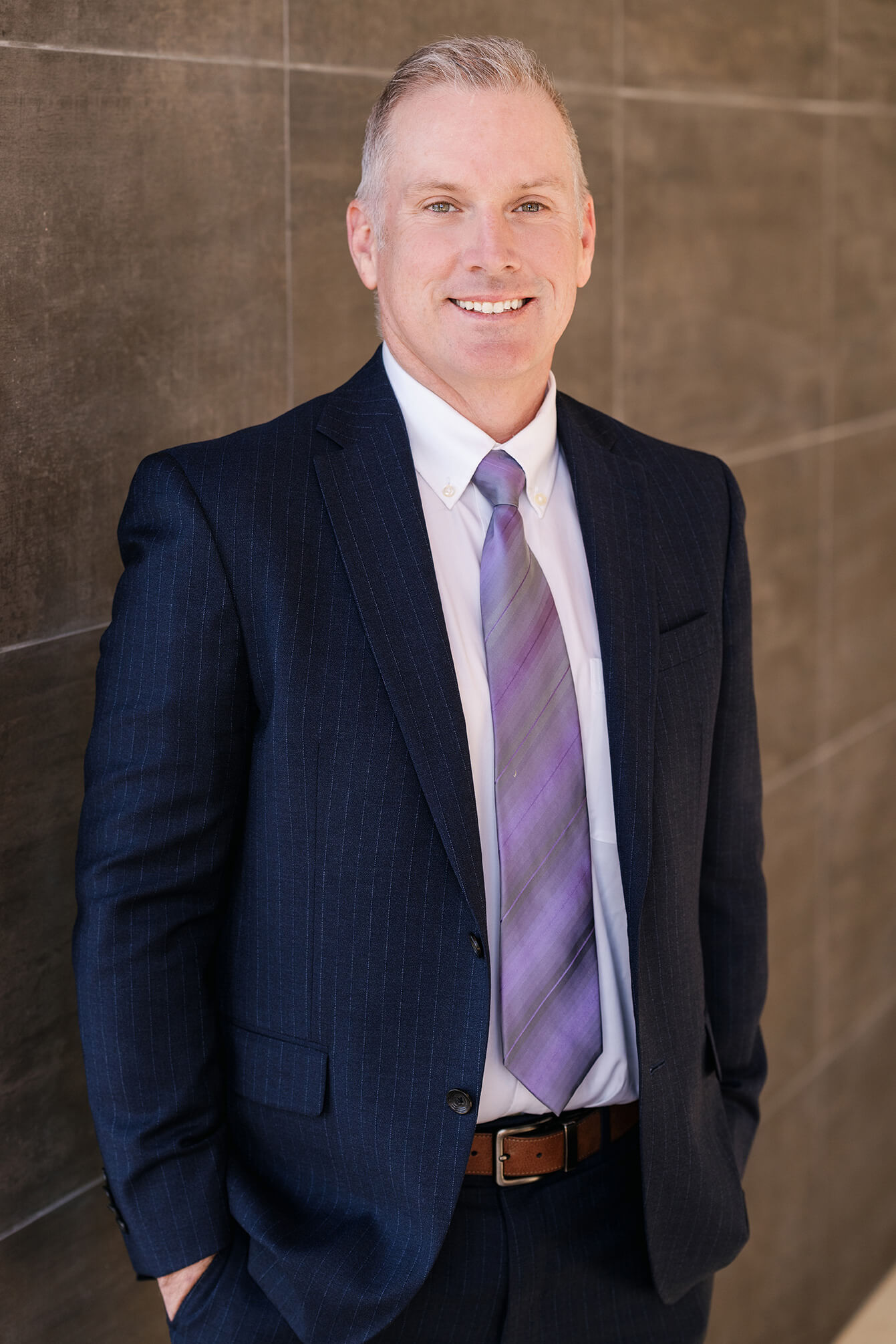
Jeff Gibson, Esq.

Ervin Nevitt, Esq.

John Bey, Esq.

Aman Sharma, Esq.

Dan Lipman, Esq.

Joshua Gillispie, Esq.
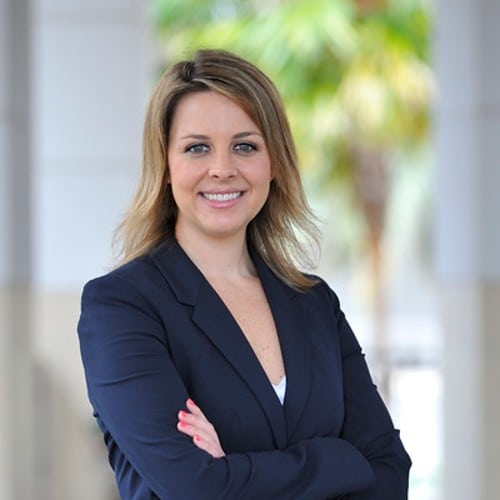
Jennifer Lipinski, Esq.

Aaron Blank, Esq.
Common questions
TVPRA trafficking liability, answered
What is TVPRA trafficking liability?
It is the right, under the federal Trafficking Victims Protection Reauthorization Act, to sue for money damages in a civil case. It reaches the trafficker and any business that knowingly benefited from participating in a venture it knew or should have known involved trafficking, including sexual exploitation.
Can I file a TVPRA civil lawsuit on my own behalf?
Yes. The TVPRA includes a civil cause of action, meaning you can bring your own lawsuit and seek damages regardless of whether anyone is criminally charged. A criminal case is run by the government; your civil claim belongs to you and is decided separately.
How do you prove a business knew about the trafficking?
You usually do not need a confession. Lawyers show "knew or should have known" through patterns a reasonable business would have noticed: unusual bookings, requests to skip records, signs of control, or staff warnings that went unanswered, combined with proof the business received financial benefit.
Does the institution have to be the one who trafficked me?
No. That is the key feature of this theory. The institution can be liable for knowingly benefiting from participation in the venture, even though it was not the person who carried out the trafficking. Financial benefit plus knowledge can be enough.
What kinds of cases can use TVPRA liability?
Cases involving commercial sexual exploitation or coerced labor where a third party profited, including hotels, employers, online platforms, and care or residential settings. If a business made money from a situation it should have recognized and stopped, the theory may apply.
Is there a deadline to bring a TVPRA claim?
Yes, there is a time limit, and it varies by the facts and where the case is filed. Because deadlines turn on details specific to your situation, the calm, practical step is to ask a lawyer early so nothing important quietly expires.
Will this cost me anything up front?
No. These cases are handled on a contingency basis, which means you pay no fee unless there is a recovery. A first conversation to understand your options is free and confidential.
What if I am not sure my situation counts as trafficking?
That is common, and you do not have to label it yourself. Many survivors do not see what happened to them in legal terms. Tell us what you remember in your own words, and an attorney can tell you whether a TVPRA claim, or another path, fits.
Free & confidential
Talk with someone who understands
Share what you are comfortable sharing. It is free, confidential, and there is no pressure to decide anything today.
- 100% confidential — your privacy is protected
- No fee unless we win your case
- You stay in control of every step
Prefer to talk now? (877) 421-9608
Start your free case review
It only takes a minute. Share what you’re comfortable with.
You don’t have to carry this alone.
Take the first step on your terms. A free, confidential conversation could be the start of getting the justice and support you deserve.