Psychiatric Facility Abuse Lawyer
If you or someone you love was harmed inside an inpatient or residential mental health facility, you deserve to be heard and believed. We connect you with experienced, compassionate attorneys — quietly and at no cost to talk.



What we do
A psychiatric facility abuse lawyer helps you hold a mental health facility accountable for the harm you suffered in its care.
When you enter an inpatient psychiatric unit, residential treatment center, or behavioral health hospital, that facility takes on a duty to keep you safe. When staff assault patients, misuse restraints and forced medication, or ignore your basic needs, the facility can be held legally responsible. A psychiatric facility abuse lawyer investigates what happened, gathers records, and pursues a civil claim so you can seek justice and compensation.
You do not have to relive every detail to begin. You do not have to prove your case before you call. A first conversation is calm, private, and entirely your choice — and what you share is treated with care and respect.
Time limits do apply, and they vary by state. Many states have recently expanded or reopened the window to file. A free, confidential call simply tells you where you stand — no pressure, no obligation.
Why survivors trust us
Real attorneys. Proven results. Quiet strength.
Where this abuse happens
Facilities and defendants we hold accountable
Psychiatric abuse takes many forms across many settings. These are the environments and parties our attorneys most often pursue.
Inpatient psychiatric hospitals
Locked behavioral health units and psychiatric wings where vulnerable patients face staff misconduct, assault, or dangerous neglect.
Youth residential treatment centers
Facilities housing children and teens, where Senate investigations have documented patterns of abuse, neglect, and unsafe conditions.
Coercion, restraint & seclusion
Improper use of physical restraints, forced medication, or prolonged solitary confinement used as punishment rather than emergency care.
Patient-on-patient harm
Assaults that happen because staff failed to supervise, screen, or separate patients in their care.
Staff & provider misconduct
Sexual abuse, physical violence, or exploitation by nurses, aides, technicians, therapists, or psychiatrists.
Involuntary hold violations
Being held against your will beyond legal timeframes or wrongly denied your right to request discharge.
Liability
Who can be held responsible for psychiatric facility abuse?
The facility itself is usually the responsible party — not only the individual who caused harm. Mental health facilities have a legal duty to protect patients, and when their choices create the conditions for abuse, they can be held accountable. A lawyer identifies every party whose negligence contributed to what you experienced.
- Negligent hiring and supervision — keeping or promoting staff with known histories of misconduct, or failing to oversee employees who had unsupervised access to patients.
- Dangerous understaffing — too few qualified staff to monitor patients, leading to assaults, falls, or unmet basic needs.
- Misuse of restraint, seclusion, and forced medication — using control measures as punishment or convenience instead of genuine emergency safety.
- Failure to protect from foreseeable harm — not separating or supervising patients despite known risks of patient-on-patient violence.
- Institutional neglect and rights violations — denying adequate nutrition, hygiene, medical care, contact with family or counsel, or lawful discharge.
Simple & safe
How it works
Reach out privately
Call or fill out a short, confidential form. Tell us only what you’re comfortable sharing.
We listen & match you
We connect you with an attorney licensed in your state who handles your type of case.
You decide what’s next
Your free consultation is no-obligation. If you move forward, there’s no fee unless you win.
Named, credentialed, local
Attorneys licensed in your state
Every connection is to a real attorney with verifiable credentials and a record of holding institutions accountable.
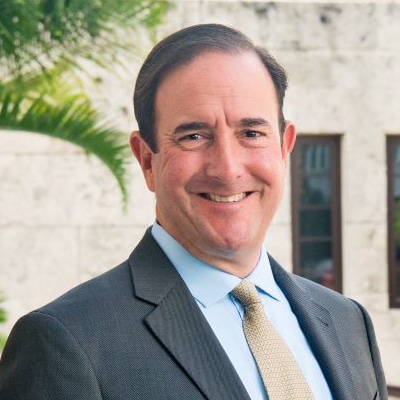
Michael Haggard, Esq.

Laurence Banville, Esq.

Eric Weitz, Esq.

Max Morgan, Esq.

Jeff Gibson, Esq.

Ervin Nevitt, Esq.
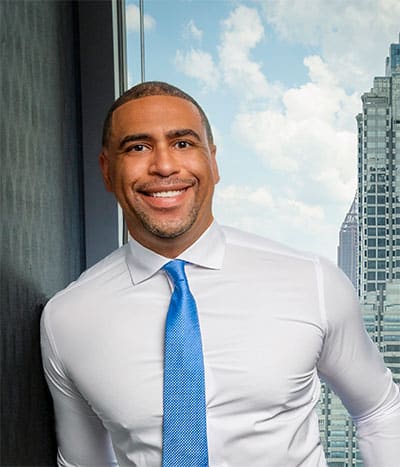
John Bey, Esq.

Aman Sharma, Esq.
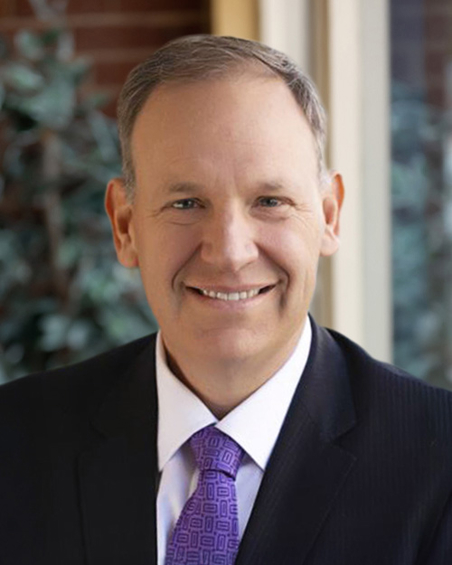
Dan Lipman, Esq.

Joshua Gillispie, Esq.

Jennifer Lipinski, Esq.

Aaron Blank, Esq.
Answers for survivors
Psychiatric facility abuse — your questions answered
Can you sue a mental health facility?
Yes. You can sue an inpatient psychiatric or residential mental health facility when its negligence or misconduct caused you harm. Facilities owe patients a duty of safe care, and that duty can be enforced through a civil claim. A lawyer reviews your records, identifies who was responsible, and explains your options at no cost.
What counts as abuse in a psychiatric facility?
Abuse includes physical or sexual assault by staff or other patients, misuse of restraints, seclusion, or forced medication as punishment, verbal threats and humiliation, and neglect of basic needs like food, hygiene, and medical care. Holding you beyond a lawful timeframe or denying contact with family or counsel can also be a violation worth investigating.
What are the warning signs of abuse in a mental health facility?
Watch for unexplained bruises, cuts, or injuries, sudden fear, withdrawal, or changes in mood, reluctance to be near certain staff, unexplained weight loss or poor hygiene, and being blocked from phone calls or visits. Signs of psychological abuse include constant criticism, intimidation, isolation, and stripping a patient of dignity or choice.
What are coercive or unethical practices in psychiatry?
Coercion means pressuring or forcing a patient through threats, restraint, isolation, or medication used as control rather than care. Unethical practices include using seclusion as punishment, ignoring a patient's right to refuse treatment, withholding communication with family or lawyers, and exploiting a patient's vulnerability. When these cross into harm, they can support a legal claim.
What evidence helps prove a psychiatric facility abuse case?
Helpful evidence includes medical and treatment records, incident and restraint reports, staffing logs, photographs of injuries, witness accounts from other patients or staff, and any complaints filed with the facility or regulators. You do not need to gather this yourself — your attorney can request and preserve these records as part of the investigation.
Is talking to a lawyer confidential?
Yes. Your first conversation is private and protected. What you share is held in confidence, you control how much you say, and there is no obligation to move forward. Many survivors find that simply being heard, without judgment, is the first step toward feeling safe again.
How much does a psychiatric facility abuse lawyer cost?
Nothing upfront. These cases are handled on a contingency basis, which means you pay no fee unless your attorney recovers compensation for you. The initial review is free, and you will never be asked to pay out of pocket to learn whether you have a case.
Is there a deadline to file a psychiatric facility abuse claim?
There are time limits, but they vary by state and by the circumstances of your case, including your age when the abuse occurred. Many states have expanded the window for survivors of sexual abuse. Treat any deadline as a calm reason to ask sooner rather than later — a lawyer can tell you exactly where you stand.
What compensation is available for psychiatric facility abuse?
Compensation can cover medical and therapy costs, the emotional distress and trauma you endured, lost income, and in some cases additional damages meant to hold the facility accountable. Emotional harm is real and recognized by the law. A lawyer can estimate the value of your claim after reviewing what happened to you.
Will I have to testify in court?
Often, no. Many psychiatric facility abuse cases resolve through settlement without a trial, and your comfort and well-being guide how your case proceeds. If testimony ever becomes necessary, your attorney prepares and supports you every step of the way so you never face the process alone.
Free & confidential
Talk to a psychiatric facility abuse lawyer — free & confidential
Share only what you're comfortable sharing. A caring member of our team will listen and explain your options — no pressure, no cost.
- 100% confidential — your privacy is protected
- No fee unless we win your case
- You stay in control of every step
Prefer to talk now? (877) 421-9608
Start your free case review
It only takes a minute. Share what you’re comfortable with.
You don’t have to carry this alone.
Take the first step on your terms. A free, confidential conversation could be the start of getting the justice and support you deserve.