Residential Care Sexual Abuse Lawyer
If you were harmed in a group home, residential treatment center, or care facility, you are believed. A caring attorney can help you understand your options — privately and at no cost.



What This Means For You
A residential care sexual abuse lawyer helps you hold a facility accountable for the harm you suffered in its care
A residential care sexual abuse lawyer represents people who were sexually abused while living in a group home, residential treatment center, assisted living facility, or other care setting. These places exist to keep residents safe. When they fail to screen staff, supervise residents, or respond to warning signs, the abuse that follows is their responsibility too — not yours.
You do not need to have all the answers or any documents to reach out. You only need to be ready to talk. We listen first, explain your options in plain language, and move at your pace. Nothing moves forward without your say-so.
Time limits do apply, and they vary by state. Many states have recently expanded or reopened the window to file. A free, confidential call simply tells you where you stand — no pressure, no obligation.
Why survivors trust us
Real attorneys. Proven results. Quiet strength.
Where This Abuse Happens
Residential care settings we handle
Abuse in care facilities follows a pattern: vulnerable residents, unsupervised access, and oversight that breaks down. These are the settings we see most often.
Group homes
Community group homes for children, teens, or adults with disabilities, where staff have close daily access and supervision is often thin.
Residential treatment centers
Behavioral health, addiction, and psychiatric residential programs where residents are isolated and reports are easy to dismiss.
Assisted living & nursing facilities
Elder and adult care settings where residents may be dependent on staff and unable to report what happened to them.
Youth & juvenile facilities
Residential schools, foster group homes, and juvenile placements where young people are especially vulnerable to staff and older residents.
Disability & developmental care
Intermediate care facilities and homes for people with intellectual or developmental disabilities, where communication barriers can hide abuse.
State-licensed & private facilities
Both publicly funded and privately operated care providers — including the corporations and agencies that run them.
Accountability
Who can be held responsible for residential care abuse?
More than the individual who hurt you can be held responsible. Residential facilities have a legal duty to protect the people in their care. When that duty is breached and abuse results, the facility, its owners, and the agencies that placed or oversaw you may all share liability. A residential care sexual abuse lawyer investigates the full chain of responsibility so the burden no longer rests on you.
- Negligent hiring and screening — failing to run background checks or hiring staff with known histories of misconduct.
- Failure to supervise — leaving residents alone with staff or other residents in situations the facility knew were unsafe.
- Ignored complaints and warning signs — dismissing prior reports, grievances, or red flags instead of acting on them.
- Inadequate staffing and training — understaffing units or never training staff to recognize and report abuse.
- Corporate and ownership liability — parent companies and operators that prioritized profit over resident safety.
Simple & safe
How it works
Reach out privately
Call or fill out a short, confidential form. Tell us only what you’re comfortable sharing.
We listen & match you
We connect you with an attorney licensed in your state who handles your type of case.
You decide what’s next
Your free consultation is no-obligation. If you move forward, there’s no fee unless you win.
Named, credentialed, local
Attorneys licensed in your state
Every connection is to a real attorney with verifiable credentials and a record of holding institutions accountable.
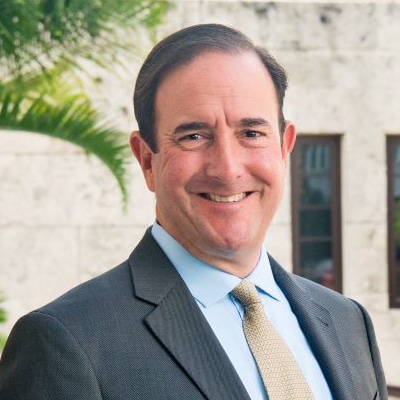
Michael Haggard, Esq.

Laurence Banville, Esq.

Eric Weitz, Esq.

Max Morgan, Esq.

Jeff Gibson, Esq.

Ervin Nevitt, Esq.

John Bey, Esq.

Aman Sharma, Esq.

Dan Lipman, Esq.

Joshua Gillispie, Esq.

Jennifer Lipinski, Esq.

Aaron Blank, Esq.
Answers For Survivors
Residential care sexual abuse questions, answered
How much does a residential care sexual abuse lawyer cost?
Nothing upfront. These cases are handled on a contingency basis, which means you pay no fees unless we win compensation for you. The first conversation is free and confidential, and there is no obligation to move forward. You should never have to choose between getting help and affording it.
Is there a deadline to file a residential care abuse claim?
Deadlines (called statutes of limitations) vary by state, and many states have extended or revived them for sexual abuse survivors. Some now allow claims from years or decades ago. Because the rules differ and change, the only way to know your timeline is to ask. A short, free call can confirm whether your claim is still open.
What compensation can a residential care abuse survivor recover?
Compensation can cover therapy and medical care, lost income, and the pain, trauma, and lasting harm the abuse caused. In cases of egregious facility misconduct, additional damages may apply. No amount erases what happened, but it can fund your recovery and hold the facility accountable so others are protected.
Can I sue if the abuse happened years ago?
Often, yes. Many survivors come forward years or decades later, and the law increasingly recognizes how long disclosure can take. Numerous states have opened or extended filing windows specifically for childhood and care-facility abuse. Reaching out costs nothing and lets an attorney check whether your case is still viable.
Will I have to testify in court?
Most cases never reach a courtroom — the majority resolve through confidential settlements. If your case does proceed, we prepare and support you every step of the way and use trauma-informed approaches to limit re-traumatization. You will never be pushed into anything you are not ready for.
Is talking to a lawyer confidential?
Yes. Your conversation is private and protected. We will not share your story without your permission, and you control how much you tell and when. Many survivors find that simply being heard, with no pressure to act, is a meaningful first step.
What if the facility has closed or changed ownership?
You can often still pursue a claim. Liability can follow former owners, parent companies, insurers, and successor operators even after a facility closes or is sold. An attorney can trace who was responsible at the time and identify the parties — and insurance coverage — that may still be accountable.
Do I need proof or evidence to start?
No. You do not need documents, photographs, or police reports to reach out. Your account matters, and part of our job is to investigate — gathering facility records, staffing files, prior complaints, and other evidence. Start with a conversation; we handle the rest from there.
Can I file a claim on behalf of a loved one in care?
Yes. If a child, an elderly parent, or a family member with a disability was abused in a residential facility, you may be able to act on their behalf. We work with families compassionately and confidentially to protect the survivor and pursue accountability against the facility.
What makes residential care abuse cases different?
These cases turn on the facility's duty of care and its failures — negligent hiring, poor supervision, ignored complaints. Residents are often isolated and dependent, which makes institutional accountability central. An attorney experienced in care-facility abuse knows how to uncover those breakdowns and build a case around them.
Free & confidential
Talk to a residential care sexual abuse lawyer — free & confidential
Tell us what happened in your own words, at your own pace. We will listen, explain your options, and never pressure you to move forward.
- 100% confidential — your privacy is protected
- No fee unless we win your case
- You stay in control of every step
Prefer to talk now? (877) 421-9608
Start your free case review
It only takes a minute. Share what you’re comfortable with.
You don’t have to carry this alone.
Take the first step on your terms. A free, confidential conversation could be the start of getting the justice and support you deserve.