Marriott Sex Trafficking Lawsuit
If you were trafficked at a Marriott-branded hotel, you may be able to hold the company accountable. We will listen, believe you, and explain your options — privately and at your pace.



What This Means
If you were trafficked at a Marriott hotel, you may have a civil claim against the company
You can bring a civil lawsuit when a hotel company profited from or turned a blind eye to trafficking on its property. This is separate from any criminal case against the person who harmed you — a civil claim is yours to pursue, and it seeks accountability and financial recovery for what you survived.
Marriott operates and franchises thousands of branded properties — including Marriott, Courtyard, Residence Inn, Fairfield, Sheraton, Westin, and others. Federal law lets survivors hold a hotel business responsible when its staff or systems saw obvious warning signs of trafficking and did nothing. You do not have to know every legal detail right now. You only need to reach out.
Time limits do apply, and they vary by state. Many states have recently expanded or reopened the window to file. A free, confidential call simply tells you where you stand — no pressure, no obligation.
Why survivors trust us
Real attorneys. Proven results. Quiet strength.
Company Liability
How is Marriott held responsible?
A claim against a hotel company is not about the traffickers alone — it is about whether the business and its staff ignored what was happening in plain sight. Trafficking inside hotels often leaves clear signs that trained employees are expected to recognize and report. When a Marriott-branded property fails to act, survivors may hold the company accountable for:
- Ignoring obvious red flags at the front desk and in housekeeping — cash payments, refused room service, extended stays, a controlling companion who speaks for the guest, or many visitors to one room.
- Failing to train or supervise staff on recognizing and reporting trafficking, despite well-known industry guidance and Marriott's own public anti-trafficking commitments.
- Disregarding repeated complaints or concerns from other guests, employees, or law enforcement about activity in or around a specific room.
- Profiting from rentals tied to trafficking — renting the same rooms repeatedly under conditions a reasonable operator should have questioned.
- Inadequate franchise oversight — placing the brand's name on a property while failing to enforce the safety and reporting standards that brand is supposed to guarantee.
These are the kinds of failures courts examine. We rely only on what can be shown — your account and the evidence — never invented claims.
Common Situations
Marriott trafficking cases we help with
If any of this reflects your experience, you deserve to talk to someone who will take it seriously.
Branded hotel stays
You were trafficked at a Marriott, Courtyard, Residence Inn, Fairfield, Sheraton, or Westin property where staff overlooked clear warning signs.
Ignored front-desk red flags
Employees checked in or serviced rooms despite cash payments, a controlling companion, or a steady stream of visitors.
Repeated activity at one location
Trafficking happened over days or weeks at the same hotel, and the property took no meaningful action to stop it.
Failed safety standards
The hotel lacked basic staff training, monitoring, or reporting procedures that a responsible operator should have in place.
Simple & safe
How it works
Reach out privately
Call or fill out a short, confidential form. Tell us only what you’re comfortable sharing.
We listen & match you
We connect you with an attorney licensed in your state who handles your type of case.
You decide what’s next
Your free consultation is no-obligation. If you move forward, there’s no fee unless you win.
Named, credentialed, local
Attorneys licensed in your state
Every connection is to a real attorney with verifiable credentials and a record of holding institutions accountable.
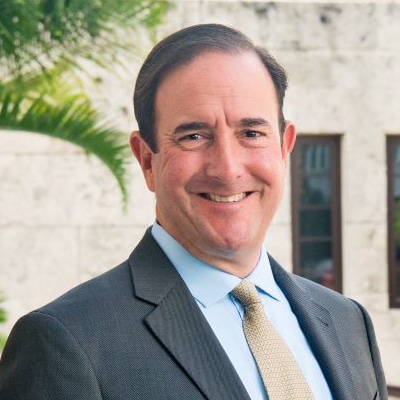
Michael Haggard, Esq.

Laurence Banville, Esq.

Eric Weitz, Esq.

Max Morgan, Esq.

Jeff Gibson, Esq.

Ervin Nevitt, Esq.

John Bey, Esq.

Aman Sharma, Esq.

Dan Lipman, Esq.

Joshua Gillispie, Esq.

Jennifer Lipinski, Esq.

Aaron Blank, Esq.
Your Questions
Marriott sex trafficking lawsuit FAQs
Can I sue Marriott as a company for trafficking that happened at one of its hotels?
Yes. Federal law allows survivors to bring a civil claim against a hotel business that knowingly benefited from, or ignored obvious signs of, trafficking on its property. This is separate from any criminal case and focuses on the company's failures, not only the trafficker's acts.
How much does it cost to hire a lawyer for a hotel trafficking case?
Nothing upfront. These cases are handled on a contingency basis, meaning you pay no attorney fees unless there is a recovery. Your first conversation is free and confidential, so cost should never stop you from learning your options.
Is there a deadline to file a Marriott trafficking lawsuit?
Yes — deadlines exist, and they vary by state and by the facts of your case. Some states have extended or revived the time survivors have to come forward. Because timing matters, it is worth confirming your specific deadline early rather than assuming you have missed it.
Do I need a police report to bring a claim?
No. A civil claim does not require a police report or a criminal conviction. Many survivors never reported to law enforcement. What matters is your account and the evidence of what happened, which a lawyer can help you gather.
Will my case be kept confidential?
Yes. We handle these matters with discretion and care. Your initial conversation is private, and your attorney can discuss steps that protect your identity, including options that keep your name out of public filings where the law allows.
What compensation might be available?
A civil claim can seek recovery for medical and counseling costs, lost income, and the lasting emotional harm you have endured. Every case is different, and a lawyer can give you a realistic picture after reviewing your specific situation — never an inflated promise.
Does it matter that the hotel was franchised, not company-owned?
It can still matter. A brand that licenses its name to a property is often expected to enforce safety and reporting standards. A lawyer can examine the relationship between Marriott and the specific hotel to determine who may be responsible.
What if the trafficking happened years ago?
You may still have options. Memory, evidence, and changing laws all factor in, and some states have expanded the window for survivors to file. The only way to know is to ask — a confidential conversation costs nothing and carries no obligation.
Free & confidential
Talk to a lawyer about your Marriott case
Share only what you are comfortable sharing. A caring member of our team will review your situation privately and explain your options — no pressure, no obligation.
- 100% confidential — your privacy is protected
- No fee unless we win your case
- You stay in control of every step
Prefer to talk now? (877) 421-9608
Start your free case review
It only takes a minute. Share what you’re comfortable with.
You don’t have to carry this alone.
Take the first step on your terms. A free, confidential conversation could be the start of getting the justice and support you deserve.