Catholic Church Sexual Abuse Lawsuit
If you were harmed by a priest, deacon, or anyone the Church trusted, you have the right to be heard, and to hold the institution accountable. We will listen, and we will guide you.

If you were abused by a member of the Catholic Church, you can file a civil lawsuit against the institution that enabled it.
A Catholic Church sexual abuse lawsuit is a civil claim brought by a survivor against the diocese, archdiocese, parish, school, or religious order that employed or supervised the person who caused harm. It is separate from any criminal case, and it does not depend on whether the abuser was ever charged, convicted, or is still alive. The goal is accountability and financial recovery for what was taken from you. These cases recognize a hard truth that decades of investigations have confirmed: in many instances the abuse was not a single bad actor, but a pattern the institution knew about and concealed. When a diocese moved a known offender from parish to parish, ignored warnings, or buried complaints, the institution itself can be held legally responsible. You do not have to carry the weight of proving the whole system on your own; that is our job.Time limits do apply, and they vary by state. Many states have recently expanded or reopened the window to file. A free, confidential call simply tells you where you stand — no pressure, no obligation.
Why survivors trust us
Real attorneys. Proven results. Quiet strength.
Institutional Liability
How is the Catholic Church held responsible?
Liability in clergy abuse cases usually rests on the institution's own conduct: what diocesan and order leadership knew, when they knew it, and what they chose to do. The unique, hierarchical structure of the Church means that decisions about a priest's assignment, supervision, and discipline were made by people with authority over him. Common grounds for holding the Church accountable include:- Negligent assignment and supervision. Placing or keeping a priest, deacon, brother, teacher, or volunteer in contact with children or vulnerable adults despite prior warnings or red flags.
- Concealment and cover-up. Transferring a known or suspected offender to a new parish, school, or diocese instead of reporting him, allowing the harm to continue elsewhere.
- Ignored complaints. Failing to act on reports from families, parishioners, staff, or other clergy, and failing to warn the communities he was sent to.
- Failure to protect minors and vulnerable adults. Inadequate screening, training, and safe-environment safeguards in parishes, parochial schools, youth ministries, seminaries, and religious orders.
- Vicarious responsibility. Accountability for the conduct of someone the institution placed in a position of spiritual and moral authority over you.
Who This Affects
Common situations survivors describe
Clergy abuse takes many forms and happens in many settings. If any of these reflect your experience, you may have a claim.
Parish clergy
Abuse by a priest or deacon connected to a parish, rectory, confessional, sacramental preparation, or parish youth activities.
Catholic schools
Harm by a teacher, coach, chaplain, brother, or staff member at a parochial school, high school, or seminary.
Religious orders & ministries
Abuse within a religious order, retreat center, altar-server program, choir, or diocesan youth ministry.
Orphanages & care homes
Harm in Church-run orphanages, group homes, or residential programs where children were placed in the institution's care.
Simple & safe
How it works
Reach out privately
Call or fill out a short, confidential form. Tell us only what you’re comfortable sharing.
We listen & match you
We connect you with an attorney licensed in your state who handles your type of case.
You decide what’s next
Your free consultation is no-obligation. If you move forward, there’s no fee unless you win.
Named, credentialed, local
Attorneys licensed in your state
Every connection is to a real attorney with verifiable credentials and a record of holding institutions accountable.
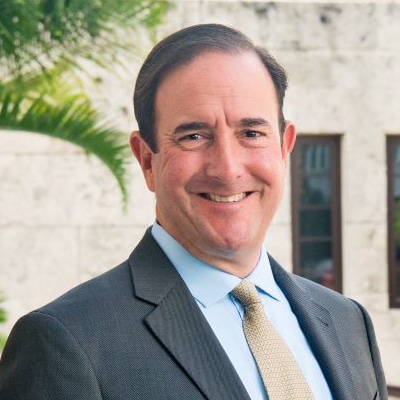
Michael Haggard, Esq.

Laurence Banville, Esq.

Eric Weitz, Esq.

Max Morgan, Esq.

Jeff Gibson, Esq.

Ervin Nevitt, Esq.

John Bey, Esq.

Aman Sharma, Esq.

Dan Lipman, Esq.

Joshua Gillispie, Esq.

Jennifer Lipinski, Esq.

Aaron Blank, Esq.
Common Questions
Catholic Church abuse lawsuits, answered
Can I sue the Catholic Church and not just the individual abuser?
Yes. Most clergy abuse cases are brought against the diocese, archdiocese, parish, school, or religious order — not only the individual. Holding the institution responsible is often central, because the Church controlled the abuser's assignment, supervision, and discipline, and frequently had knowledge it failed to act on.
How much does it cost to hire a lawyer for a clergy abuse case?
Nothing upfront. These cases are handled on a contingency basis, which means you pay no fee unless your case results in a settlement or verdict. Your first consultation is free and confidential, so you can understand your options before deciding anything.
Is there a deadline to file a Catholic Church abuse lawsuit?
Deadlines vary by state, and many states have changed their laws to give survivors more time. Some have opened "lookback windows" that temporarily revive older claims regardless of how long ago the abuse occurred. Because the rules differ widely, the most reliable step is to ask an attorney about your specific situation.
What if the abuse happened decades ago?
You may still have a claim. Many survivors come forward years or decades later, and the law increasingly recognizes why that delay is normal. Revived-claim laws and extended deadlines in a number of states are specifically designed to allow older cases to move forward.
Do I need a police report or a criminal case to file?
No. A civil lawsuit is independent of the criminal system. You can pursue a claim even if the abuse was never reported to police, even if no charges were filed, and even if the person who harmed you has died.
What kind of compensation is available?
A claim can seek compensation for therapy and counseling, medical care, lost earnings and earning capacity, and the pain, trauma, and lasting harm you have carried. The amount depends on the specific facts of your case; no one can promise a figure in advance.
Will my case be kept confidential?
Your conversations with us are private and protected. Many survivors are able to pursue claims with their privacy safeguarded, and some matters resolve confidentially. We will explain what privacy protections may apply in your situation before you decide how to proceed.
What if the diocese has filed for bankruptcy?
You may still be able to recover. When a diocese reorganizes under Chapter 11, survivors typically file claims through a court-supervised process or a compensation fund. Deadlines in these proceedings can be strict, so it is important to speak with an attorney promptly.
Free & confidential
Talk to a lawyer about your Catholic Church case
Reach out whenever you are ready. Your message is confidential, there is no obligation, and we will explain your options with care and without pressure.
- 100% confidential — your privacy is protected
- No fee unless we win your case
- You stay in control of every step
Prefer to talk now? (877) 421-9608
Start your free case review
It only takes a minute. Share what you’re comfortable with.
You don’t have to carry this alone.
Take the first step on your terms. A free, confidential conversation could be the start of getting the justice and support you deserve.