Jehovah's Witnesses Sexual Abuse Lawsuit
If an elder, ministerial servant, or fellow congregant abused you, you may be able to hold the organization accountable. We believe survivors, and we'll walk with you.

Where You Stand
If you were abused within the Jehovah's Witnesses, you may have a civil claim
Survivors who were sexually abused by an elder, ministerial servant, congregation member, or family member connected to a Kingdom Hall can often bring a civil lawsuit, not only against the individual, but against the local congregation, the regional body, and the Watchtower Bible and Tract Society organizations that oversaw them. A civil case is separate from any criminal matter and is about your right to accountability and compensation. You do not need a criminal conviction, a police report, or "two witnesses" to come forward. Courts in many states have allowed survivors to sue when the organization's own internal policies, handling abuse as a congregational matter rather than reporting it, kept children in harm's way. What happened was not your fault, and the rules that silenced you then do not bind you now.Time limits do apply, and they vary by state. Many states have recently expanded or reopened the window to file. A free, confidential call simply tells you where you stand — no pressure, no obligation.
Why survivors trust us
Real attorneys. Proven results. Quiet strength.
Organizational Liability
How are the Jehovah's Witnesses held responsible?
The Jehovah's Witnesses operate as a tightly centralized organization, where Watchtower issues directives that local elders are expected to follow. When those policies discouraged reporting abuse to outside authorities, the organization, not just the abuser, can bear legal responsibility. Survivors and attorneys have pointed to recurring failures, including:- The "two-witness rule." Internal policy historically required two eyewitnesses to an act of abuse before elders would act, a standard almost impossible to meet, which left many reports dismissed and abusers in the congregation.
- Handling abuse as a "sin," not a crime. Allegations were often routed through internal judicial committees of elders rather than to police or child-protective services, keeping abuse hidden from the public.
- Failure to warn the congregation. Known or suspected abusers were sometimes quietly reinstated or moved between congregations without warning families or removing access to children.
- Discouraging survivors from speaking out. Pressure to avoid "bringing reproach on Jehovah's name," along with shunning practices, deterred survivors and witnesses from reporting to authorities.
- Centralized records of abuse. Reporting has indicated the organization maintained internal files on abuse allegations: records that can show what leadership knew and when.
Common Situations
Cases we help survivors bring
If any of these reflect your experience, you are not alone, and you may have options.
Abuse by an elder or ministerial servant
A person in a position of spiritual authority within the congregation used that trust to abuse you.
Abuse by a congregation member
A fellow Witness, sometimes met through field service, meetings, or Bible study, abused you, and leaders failed to protect you.
Childhood abuse later remembered
You were abused as a child connected to a Kingdom Hall and are only now ready to come forward. Many states have expanded the window to file.
Reported and ignored
You or your family told elders, and the matter was handled internally, never reported to police, while the abuse continued.
Simple & safe
How it works
Reach out privately
Call or fill out a short, confidential form. Tell us only what you’re comfortable sharing.
We listen & match you
We connect you with an attorney licensed in your state who handles your type of case.
You decide what’s next
Your free consultation is no-obligation. If you move forward, there’s no fee unless you win.
Named, credentialed, local
Attorneys licensed in your state
Every connection is to a real attorney with verifiable credentials and a record of holding institutions accountable.
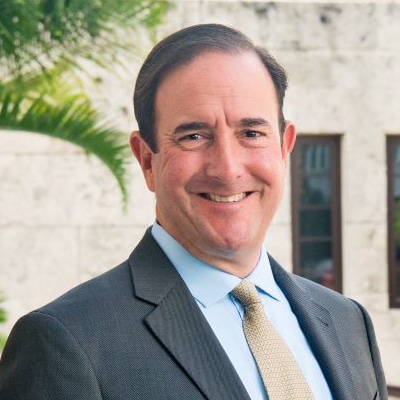
Michael Haggard, Esq.

Laurence Banville, Esq.

Eric Weitz, Esq.

Max Morgan, Esq.

Jeff Gibson, Esq.

Ervin Nevitt, Esq.

John Bey, Esq.

Aman Sharma, Esq.

Dan Lipman, Esq.

Joshua Gillispie, Esq.

Jennifer Lipinski, Esq.

Aaron Blank, Esq.
Common Questions
Jehovah's Witnesses abuse lawsuits: what survivors ask
Can I sue the Jehovah's Witnesses organization, not just the abuser?
Yes, in many cases. Survivors can often name the local congregation, the regional body, and the Watchtower organizations alongside the individual abuser, when the organization's policies or negligence allowed the abuse to happen or continue. An attorney can review which parties apply to your situation.
How much does it cost to hire a lawyer for a Jehovah's Witnesses case?
Nothing upfront. These cases are handled on a contingency basis, meaning you pay no fee unless your attorney recovers compensation for you. The initial consultation is free and confidential, so there is no financial risk in learning where you stand.
Is there a deadline to file a Jehovah's Witnesses abuse lawsuit?
Yes. Each state sets its own statute of limitations, and many have extended or temporarily reopened the window for survivors of childhood sexual abuse. Because these deadlines vary and can change, the calm, practical step is to have an attorney confirm your timeline as soon as you're able.
Do I need a police report to file a civil lawsuit?
No. A civil claim is separate from the criminal system, and you do not need a police report, a criminal charge, or a conviction to move forward. Your own account, along with other supporting evidence, can be enough to bring a case.
What if the elders handled it internally and never reported it?
That can actually strengthen a civil claim. When an organization routes abuse through internal committees instead of reporting to authorities, it may show negligence or a failure to protect children, a central issue in many cases against the Jehovah's Witnesses.
Will my case be kept confidential?
Your first conversation with us is private, and your privacy is protected throughout. Many cases resolve through confidential settlements, and survivors are frequently able to proceed without their identity being made public. Your attorney will explain the protections available in your situation.
What compensation can I recover?
Compensation may cover therapy and counseling, medical care, lost income or earning capacity, and the emotional harm you endured. Every case is different; an attorney can give you a realistic picture once they understand what happened to you.
I was abused decades ago — is it too late?
Possibly not. Many states have expanded their laws to give survivors of childhood abuse far more time to come forward, and some have opened lookback windows for older claims. Time may matter, so it's worth having an attorney check your state's current rules.
Free & confidential
Talk to a lawyer about your Jehovah's Witnesses case
Share what happened when you're ready. Your message is confidential, there's no cost to talk, and you decide every step from here.
- 100% confidential — your privacy is protected
- No fee unless we win your case
- You stay in control of every step
Prefer to talk now? (877) 421-9608
Start your free case review
It only takes a minute. Share what you’re comfortable with.
You don’t have to carry this alone.
Take the first step on your terms. A free, confidential conversation could be the start of getting the justice and support you deserve.