College Sexual Abuse Lawyer
If you were harmed at college, you deserve to be heard and believed. We help survivors hold schools, programs, and abusers accountable, privately and at your pace.



What we do
A college sexual abuse lawyer helps you hold the school and the person who harmed you accountable.
A college sexual abuse lawyer is an attorney who represents students and former students who were sexually abused, assaulted, or harassed at a college or university, pursuing both the individual who caused the harm and the institution that failed to protect you. This can include private civil claims for compensation, separate from any campus Title IX process or criminal case. You do not need to have reported it at the time. You do not need every detail or every document. You only need to reach out. Everything you share is confidential, there is no cost to talk, and you decide what happens next.Time limits do apply, and they vary by state. Many states have recently expanded or reopened the window to file. A free, confidential call simply tells you where you stand — no pressure, no obligation.
Why survivors trust us
Real attorneys. Proven results. Quiet strength.
Where it happens
Campus settings and defendants we handle
Abuse on a college campus can happen in many places and involve many people who had a duty to keep you safe. We handle cases across all of these settings.
Dorms & residence halls
Abuse by roommates, hall mates, resident advisors, or visitors where the school failed to provide safe, supervised housing.
Professors & faculty
Abuse or coercion by professors, advisors, teaching assistants, or staff who used grades, recommendations, or authority over you.
Fraternities & sororities
Assaults tied to Greek life, parties, and hazing, and the role of the school and national organizations in ignoring known risks.
Athletics & coaches
Abuse by coaches, trainers, team doctors, or athletic staff, including in locker rooms, travel, and training settings.
Campus health & counseling
Abuse by campus physicians, therapists, or medical staff during exams or treatment that exploited a position of trust.
Parties & off-campus events
Assaults at school-sanctioned or school-tolerated events, study abroad, and clubs the institution knew or should have known were unsafe.
Accountability
Who can be held responsible for college sexual abuse?
The person who abused you can be held responsible, and so can the college or university if its choices allowed the abuse to happen or to continue. Schools have a duty to take reasonable steps to keep students safe, and when they ignore warnings, mishandle reports, or put their reputation ahead of their students, the law can hold them accountable, too. Depending on the facts, a civil claim may be brought against one or more of the following:- The college or university: for negligent hiring, supervision, or retention of a professor, coach, RA, or staff member with prior complaints.
- The institution: for ignoring or burying reports, discouraging students from reporting, or failing to act on a known pattern of misconduct.
- Fraternities, sororities, and their national organizations: for tolerating dangerous parties, hazing, or a known culture of assault.
- Athletic departments and contractors: such as team physicians or trainers, whose abuse was enabled by lax oversight.
- The individual abuser: directly, whether or not they were ever criminally charged.
Simple & safe
How it works
Reach out privately
Call or fill out a short, confidential form. Tell us only what you’re comfortable sharing.
We listen & match you
We connect you with an attorney licensed in your state who handles your type of case.
You decide what’s next
Your free consultation is no-obligation. If you move forward, there’s no fee unless you win.
Named, credentialed, local
Attorneys licensed in your state
Every connection is to a real attorney with verifiable credentials and a record of holding institutions accountable.
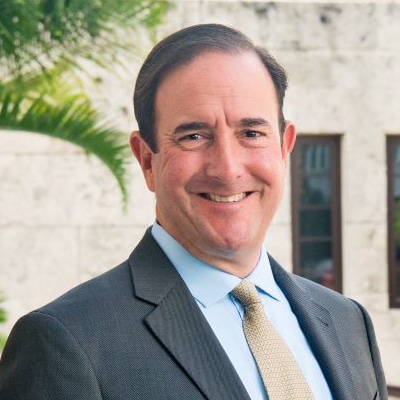
Michael Haggard, Esq.

Laurence Banville, Esq.

Eric Weitz, Esq.

Max Morgan, Esq.

Jeff Gibson, Esq.

Ervin Nevitt, Esq.

John Bey, Esq.

Aman Sharma, Esq.
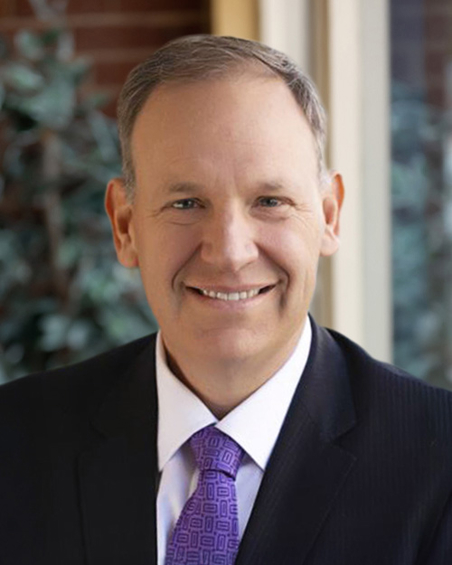
Dan Lipman, Esq.

Joshua Gillispie, Esq.

Jennifer Lipinski, Esq.

Aaron Blank, Esq.
Questions survivors ask
College sexual abuse: your questions, answered
How common is sexual assault in college?
It is far more common than most people realize, and you are not alone. Research indicates roughly one in five women and about one in sixteen men experience sexual assault during college, and on many campuses around 13% of all students experience rape or sexual assault. Undergraduate women face the highest risk. None of it is your fault.
What is the 'red zone' for sexual assault in college?
The "red zone" refers to the period from the start of the fall term through Thanksgiving, when first-year students are statistically at the greatest risk of sexual assault. New students are still finding their footing, and offenders exploit that. If you were harmed during this time, it does not make what happened any less serious or any less your right to seek justice.
What is the most common crime on college campuses?
Sexual assault and other forms of sexual violence are among the most common serious crimes reported on college campuses, and many incidents are never reported at all. The frequency of these crimes is one reason schools have a clear duty to take prevention and response seriously — and why they can be held accountable when they don't.
Can I sue my college if I was assaulted on campus?
Yes, in many cases you can. If the college was negligent — for example, by ignoring prior complaints about your abuser, providing unsafe housing, or mishandling your report — it may be held financially responsible in a civil claim. This is separate from any campus Title IX process or criminal case. A free, confidential review can tell you whether you have a claim.
Do I have to report to the police or the school to have a case?
No. You can pursue a civil claim even if you never filed a police report or a Title IX complaint, and even if the campus process went nowhere. A civil case has a different goal — accountability and compensation for you — and a different standard of proof. We can move forward based on your account and our own investigation.
How long do I have to file a college sexual abuse claim?
Time limits, called statutes of limitations, vary by state and by the facts of your case, and many states have expanded or extended them for survivors. These deadlines are simply something to be aware of, not a reason to panic. The most reliable way to protect your rights is to ask — a quick, free conversation can confirm where you stand.
Is talking to a lawyer confidential, and what does it cost?
Yes, your conversation is completely confidential, and it costs nothing. We work on a contingency basis, which means there are no upfront fees and no hourly bills — you pay nothing unless we recover compensation for you. You can ask questions, learn your options, and decide what feels right with no pressure and no cost.
What compensation can a college sexual abuse survivor recover?
Compensation depends on your situation, but civil claims can address the real impact abuse has on your life — therapy and medical care, counseling, lost tuition or earnings, and the emotional harm you have carried. Money cannot undo what happened, but it can support your recovery and hold the responsible parties accountable.
Will I have to testify or relive what happened?
Often, no. Many cases resolve through settlement without a trial, and we work to protect you from unnecessary or retraumatizing steps at every stage. If testimony ever becomes necessary, we prepare and support you fully. You stay in control of the pace, and we never push you past what you are ready for.
Can you get kicked out of college for sexual assault — and does that affect my case?
A student found responsible through a campus disciplinary process can be suspended or expelled, but that process is separate from your civil claim. A school's decision — or failure to discipline — does not control your right to seek justice. Whether or not the abuser faced campus consequences, you can still pursue accountability in a civil case.
Free & confidential
Talk to a college sexual abuse lawyer: free & confidential
Share only what you're comfortable with. We'll listen, answer your questions, and explain your options with no pressure and no cost.
- 100% confidential — your privacy is protected
- No fee unless we win your case
- You stay in control of every step
Prefer to talk now? (877) 421-9608
Start your free case review
It only takes a minute. Share what you’re comfortable with.
You don’t have to carry this alone.
Take the first step on your terms. A free, confidential conversation could be the start of getting the justice and support you deserve.