Foster Care Abuse Lawyer
If you were harmed in foster care, you deserve to be heard and believed. We help survivors hold the responsible agencies and facilities accountable, privately, and on your timeline.

What we do
A foster care abuse lawyer helps survivors of the foster system seek justice and compensation.
A foster care abuse lawyer represents children and adults who were physically, sexually, or emotionally harmed, or dangerously neglected, while in foster homes, group homes, or residential facilities. The foster system is supposed to be a safe haven. When oversight breaks down, the agencies, contractors, and facilities that failed to protect you can be held legally responsible. You do not need to have every fact, document, or date ready. You do not need to relive the worst parts to begin. A first conversation is simply that: a calm, confidential talk about what happened and what your options are. You set the pace, and you decide what comes next.Time limits do apply, and they vary by state. Many states have recently expanded or reopened the window to file. A free, confidential call simply tells you where you stand — no pressure, no obligation.
Why survivors trust us
Real attorneys. Proven results. Quiet strength.
Where this abuse happens
Foster care settings and defendants we handle
Foster care abuse takes many forms across many placements. These are the settings and responsible parties our attorneys most often pursue.
Foster homes
Abuse or neglect by a licensed foster parent or another adult in the household placed there by the state or a private agency.
Group homes & residential facilities
Harm by staff, supervisors, or older residents in congregate care, treatment centers, and shelters where supervision failed.
Private placement agencies
Negligent licensing, screening, training, or monitoring by the private agencies contracted to vet and oversee placements.
State child-welfare agencies
Systemic failures by the public agencies responsible for investigating reports, conducting home checks, and keeping children safe.
Kinship & relative placements
Abuse in court-approved relative placements where the agency still owed a duty to supervise and respond to warning signs.
Child-on-child abuse
Harm by another child or older youth that happened because supervision and screening in the placement were inadequate.
Accountability
Who can be held responsible for foster care abuse?
Often more than one party is responsible. The person who caused direct harm may be liable, but so are the agencies and facilities whose negligence allowed it to happen. Foster care abuse cases usually turn on systemic failures, the oversight that was promised but never delivered. Common claims include:- Negligent screening and licensing: placing a child with a foster parent or in a facility that should never have been approved or kept open.
- Failure to supervise or monitor: skipping required home visits, ignoring red flags, or leaving children without adequate adult oversight.
- Failure to investigate or act on reports: receiving abuse or neglect complaints and doing nothing to protect the child.
- Negligent hiring, training, and retention: group homes and agencies that hired, kept, or failed to train staff who posed a known risk.
- Failure to provide basic care: neglecting a child's medical, physical, educational, or emotional needs, the most common form of foster care maltreatment.
Simple & safe
How it works
Reach out privately
Call or fill out a short, confidential form. Tell us only what you’re comfortable sharing.
We listen & match you
We connect you with an attorney licensed in your state who handles your type of case.
You decide what’s next
Your free consultation is no-obligation. If you move forward, there’s no fee unless you win.
Named, credentialed, local
Attorneys licensed in your state
Every connection is to a real attorney with verifiable credentials and a record of holding institutions accountable.
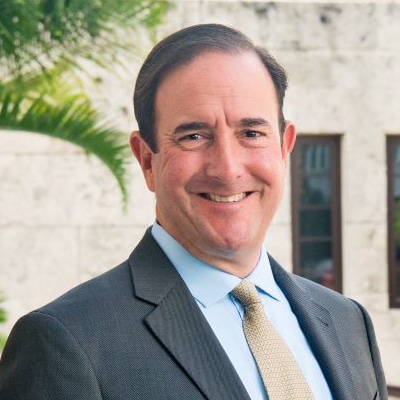
Michael Haggard, Esq.

Laurence Banville, Esq.

Eric Weitz, Esq.

Max Morgan, Esq.

Jeff Gibson, Esq.

Ervin Nevitt, Esq.

John Bey, Esq.

Aman Sharma, Esq.

Dan Lipman, Esq.

Joshua Gillispie, Esq.

Jennifer Lipinski, Esq.

Aaron Blank, Esq.
Common questions
Foster care abuse claims: answered
What counts as foster care abuse?
Foster care abuse is any physical, sexual, or emotional harm, or serious neglect, of a child in a foster home, group home, or residential facility. Neglect is the most common form, accounting for roughly three out of four reported cases. It includes failing to meet a child's medical, physical, educational, or emotional needs while in state or agency custody.
Who can be sued for foster care abuse?
More than just the abuser. You may have claims against foster parents, group home or facility operators, private placement agencies, and the state child-welfare agencies responsible for screening, licensing, and supervision. Most cases focus on the organizations whose oversight failures allowed the abuse to happen, not only the individual who caused direct harm.
What is the statute of limitations for foster care abuse?
Deadlines to file vary by state, and many states have extended or paused them for childhood abuse survivors. Some offer revival or "lookback" windows that let older cases proceed even after the usual deadline. Because the rules differ and change, the only reliable way to know your deadline is a free, no-pressure case review — there is no cost to ask.
How much does a foster care abuse lawyer cost?
Nothing upfront. We work on a contingency fee, which means you pay no hourly bills and no out-of-pocket costs. We are only paid a percentage if we recover compensation for you. If there is no recovery, you owe us no attorney fee. The first consultation is always free and confidential.
What compensation can a foster care abuse survivor recover?
Compensation can cover therapy and counseling, past and future medical care, lost earning capacity, and pain, suffering, and trauma. In cases of especially reckless conduct, additional damages may apply. Every case is different, so we give you an honest, realistic picture of what your specific situation may be worth — never an inflated promise.
Will I have to testify in court?
Often, no. Many foster care abuse cases resolve through settlement without a trial, meaning you may never have to take the stand. If your case does require testimony, we prepare and support you fully, and we work to use trauma-informed methods that protect your dignity. You are never pushed into anything you are not ready for.
Is talking to a foster care abuse lawyer confidential?
Yes. Your first conversation is private and protected, whether or not you decide to move forward. We will not share your story without your permission. You control what you tell us, how much detail you share, and the pace of every step. Reaching out costs nothing and commits you to nothing.
What if the abuse happened years ago when I was a child?
Many survivors come forward as adults, sometimes decades later, and that is completely understandable. Trauma can take years to name. A delay does not mean your case is over — many states allow childhood abuse claims to be filed well into adulthood, and some have reopened older cases entirely. A free review will tell you where you stand.
Do I need proof or records to start a case?
No. You do not need documents, dates, or names of staff to begin. Survivors rarely have a tidy file, and that is normal. We know how to obtain placement records, agency files, and prior complaints. Start with your account of what happened — building the evidence is our responsibility, not a barrier to reaching out.
Can I still report the abuse while pursuing a case?
Yes, and the two are separate. If a child is in immediate danger, call 911. You can report suspected abuse to your state's child-protection hotline regardless of any legal claim. A civil case seeks accountability and compensation for you; it does not replace reporting, and we can help you understand how the two fit together.
Free & confidential
Talk to a foster care abuse lawyer: free & confidential
Tell us what happened in your own words. There is no cost, no pressure, and no obligation — just a private conversation about your options.
- 100% confidential — your privacy is protected
- No fee unless we win your case
- You stay in control of every step
Prefer to talk now? (877) 421-9608
Start your free case review
It only takes a minute. Share what you’re comfortable with.
You don’t have to carry this alone.
Take the first step on your terms. A free, confidential conversation could be the start of getting the justice and support you deserve.