Sexual Abuse Cover-Up & Concealment
When an organization hides abuse instead of stopping it, that choice can become its own form of legal responsibility. You have the right to understand what happened, and who allowed it.
What a cover-up means in the law
A cover-up happens when an institution knows about abuse and chooses to protect itself instead of stopping it.
Sexual abuse cover-up liability is the legal responsibility an organization carries when it conceals abuse, silences a survivor, or buries warning signs to protect its reputation, finances, or the reputation of a powerful person. The focus is not only on the individual who caused harm; it is on the institution that had the chance to act and instead looked away. This matters because concealment almost always extends the harm. When records are hidden, complaints are ignored, or an abuser is quietly moved somewhere new, more people are put at risk, and survivors are left doubting themselves. Civil law lets you ask a different question than a criminal case does: not just "who did this," but "who knew, and what did they do with what they knew."Time limits do apply, and they vary by state. Many states have recently expanded or reopened the window to file. A free, confidential call simply tells you where you stand — no pressure, no obligation.
How it works
How a cover-up claim works in a sexual abuse case.
A concealment claim looks at what the institution did with the information it had. Your attorney works to show that the organization knew or should have known about a risk and then took steps to hide it rather than protect people. Concealment can look like:- Destroying or altering records: shredding personnel files, deleting emails, or "losing" complaint reports.
- Silencing survivors: pressuring someone into a non-disclosure agreement, a quiet payout, or a promise to "keep it in the family."
- Moving the abuser: transferring an employee, volunteer, or leader to a new location or role without warning anyone there.
- Failing to report: ignoring a mandated-reporting duty so police or child-welfare agencies are never told.
- Ignoring red flags: dismissing complaints, blaming the survivor, or treating a known pattern as a personnel issue instead of a crime.
Why survivors trust us
Real attorneys. Proven results. Quiet strength.
Where cover-ups happen
Settings where concealment commonly appears
Cover-ups are not limited to one kind of institution. The pattern repeats anywhere reputation and power outweigh accountability.
Religious organizations
Records sealed, accused leaders reassigned to new congregations, and survivors urged to forgive quietly instead of report.
Learn moreSchools & youth programs
Complaints kept in a personnel file, staff allowed to resign quietly, and warnings never passed to the next employer.
Learn moreInstitutions & employers
Internal investigations that protect the brand, NDAs that buy silence, and HR processes that treat abuse as a liability to manage.
Simple & safe
How it works
Reach out privately
Call or fill out a short, confidential form. Tell us only what you’re comfortable sharing.
We listen & match you
We connect you with an attorney licensed in your state who handles your type of case.
You decide what’s next
Your free consultation is no-obligation. If you move forward, there’s no fee unless you win.
Named, credentialed, local
Attorneys licensed in your state
Every connection is to a real attorney with verifiable credentials and a record of holding institutions accountable.
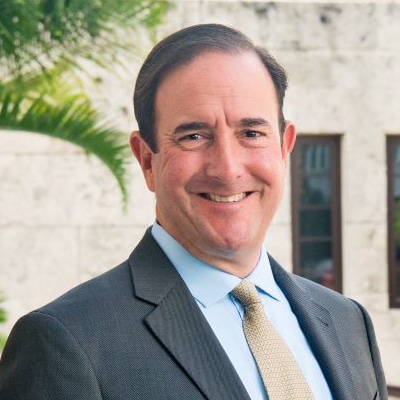
Michael Haggard, Esq.

Laurence Banville, Esq.

Eric Weitz, Esq.

Max Morgan, Esq.
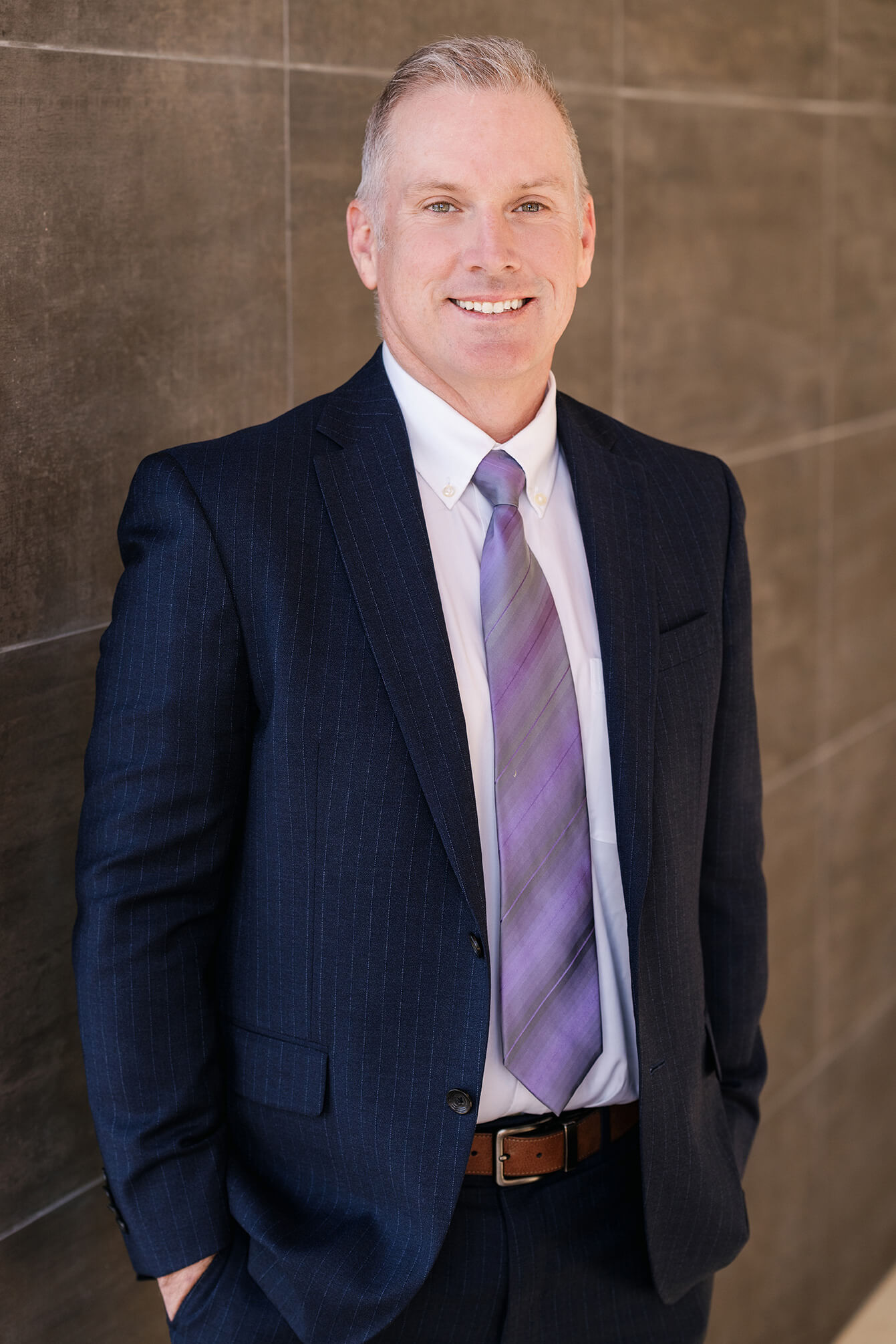
Jeff Gibson, Esq.
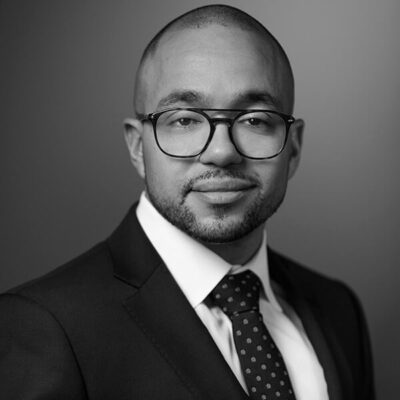
Ervin Nevitt, Esq.
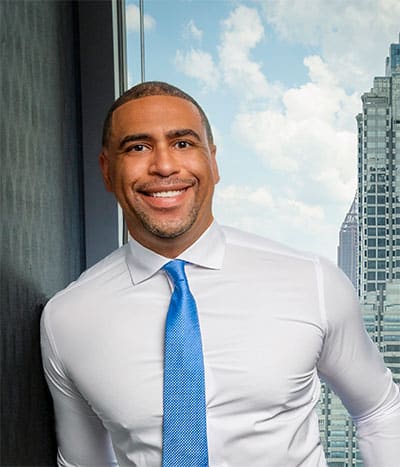
John Bey, Esq.

Aman Sharma, Esq.
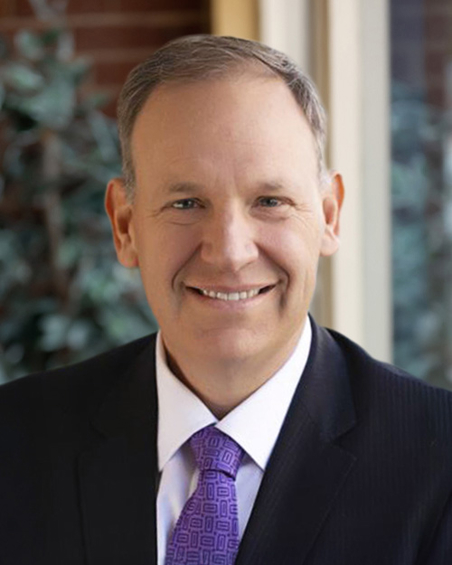
Dan Lipman, Esq.

Joshua Gillispie, Esq.
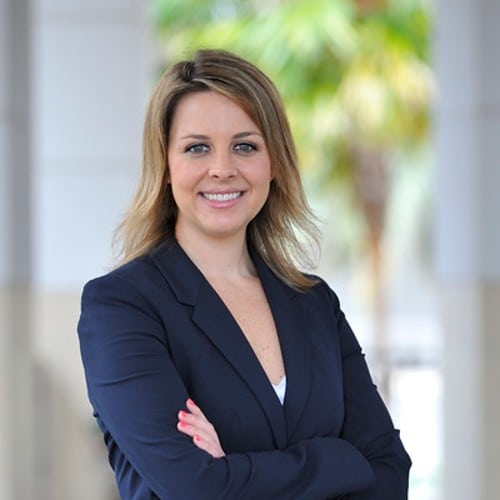
Jennifer Lipinski, Esq.

Aaron Blank, Esq.
Cover-up & concealment
Common questions about hidden abuse
What is a sexual abuse cover-up in legal terms?
A cover-up is when an institution knows about abuse, or has clear warning signs, and chooses to conceal it instead of stopping it. Legally, that concealment can create the organization's own liability, separate from the person who caused the harm, because it enabled the abuse to continue.
How do you prove an institution covered up abuse?
Proof usually comes from the institution's own records. After a lawsuit is filed, your attorney can subpoena internal emails, personnel files, complaint logs, and board minutes through civil discovery. Patterns — a quiet transfer, a missing report, an NDA — often reveal far more than any single document.
Can I sue if the organization made me sign an NDA?
Often, yes. A non-disclosure agreement signed under pressure does not always hold up, and many states limit NDAs that hide sexual abuse. An attorney can review what you signed and explain whether it actually restricts your right to seek justice. The first conversation is confidential.
What if the records were already destroyed?
Destroyed records can actually strengthen your case. Courts take the destruction of evidence seriously, and in some cases a jury may be told to assume the missing documents would have been damaging. Witnesses, survivor accounts, and surviving communications can also help reconstruct what happened.
Is a cover-up claim different from suing the abuser?
Yes. Suing the individual focuses on the abuse itself. A cover-up or concealment claim focuses on the institution's choices — what it knew, what it hid, and what it failed to report. Both can be part of the same case, and the institution's conduct is often where accountability truly lies.
It happened years ago — is it too late?
Not necessarily. Many states have changed their laws and opened look-back windows that let survivors file even when the abuse happened long ago. Deadlines vary by state and situation, so the calm, practical step is to ask. An attorney can tell you exactly where you stand.
Does it cost anything to talk to an attorney?
No. The attorneys in this network handle these cases on a contingency basis, which means you pay nothing up front and they are paid only if your case succeeds. The first conversation is free, confidential, and carries no obligation to move forward.
Free & confidential
Talk through what happened, privately
If something was hidden, silenced, or quietly handled, you deserve answers. Share a few details and a member attorney will reach out confidentially to explain your options.
- 100% confidential — your privacy is protected
- No fee unless we win your case
- You stay in control of every step
Prefer to talk now? (877) 421-9608
Start your free case review
It only takes a minute. Share what you’re comfortable with.
You don’t have to carry this alone.
Take the first step on your terms. A free, confidential conversation could be the start of getting the justice and support you deserve.