Failure to Report Sexual Abuse
When someone was required to report abuse and stayed silent, that silence can carry legal weight. Here is what that means for you.



Plain-language definition
When a mandated reporter fails to report known or suspected abuse.
Many adults (teachers, coaches, doctors, nurses, clergy, social workers, and child-care staff) are what the law calls "mandated reporters." When they know about or reasonably suspect that a child or vulnerable person is being abused, the law requires them to tell the proper authorities. A failure to report happens when that duty is ignored and the abuse goes unreported, allowing it to continue. This matters because abuse rarely happens in a vacuum. Often, an adult saw something, heard something, or was told something, and did nothing. When that silence let the harm continue, the person who stayed quiet, and sometimes the institution that employed them, can be held accountable. You did not imagine the warning signs, and you were not responsible for protecting yourself. The adults around you were.Time limits do apply, and they vary by state. Many states have recently expanded or reopened the window to file. A free, confidential call simply tells you where you stand — no pressure, no obligation.
How it works
How failure to report works in a sexual abuse case.
In a civil case, your attorney looks at who knew, what they were required to do, and what happened because they didn't do it. The pieces usually line up like this:- A duty to report. The person was a mandated reporter (by their job, license, or role) and the law required them to report suspected abuse.
- Knowledge or reasonable suspicion. They knew, were told, or saw enough that a reasonable person in their position would have suspected abuse.
- A failure to act. They did not make the report the law required, or they delayed it, downplayed it, or quietly handled it "internally" instead.
- Harm that followed. Because the report was never made, the abuse continued or you were exposed to further harm that a timely report could have prevented.
Why survivors trust us
Real attorneys. Proven results. Quiet strength.
Where it applies
Settings where failure to report comes up
A duty to report exists almost anywhere adults are entrusted with children or vulnerable people. These are the settings we see most often.
Schools & youth programs
Teachers, counselors, coaches, and aides are mandated reporters. A confided disclosure that was never reported is a common thread in school cases.
Learn moreChurches & faith institutions
Clergy and many religious staff are required to report in most states. "Handling it internally" instead of reporting is a recurring pattern.
Learn moreHealthcare & hospitals
Doctors, nurses, and therapists routinely see warning signs. When clinical staff fail to report, the harm can continue undetected.
Learn moreDaycare & child care
Child-care workers and directors are mandated reporters. Reports that were delayed, softened, or never filed often surface later.
Simple & safe
How it works
Reach out privately
Call or fill out a short, confidential form. Tell us only what you’re comfortable sharing.
We listen & match you
We connect you with an attorney licensed in your state who handles your type of case.
You decide what’s next
Your free consultation is no-obligation. If you move forward, there’s no fee unless you win.
Named, credentialed, local
Attorneys licensed in your state
Every connection is to a real attorney with verifiable credentials and a record of holding institutions accountable.
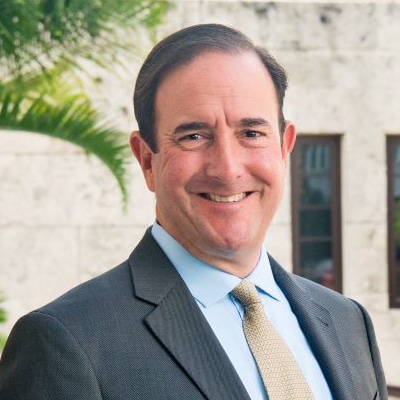
Michael Haggard, Esq.

Laurence Banville, Esq.

Eric Weitz, Esq.

Max Morgan, Esq.
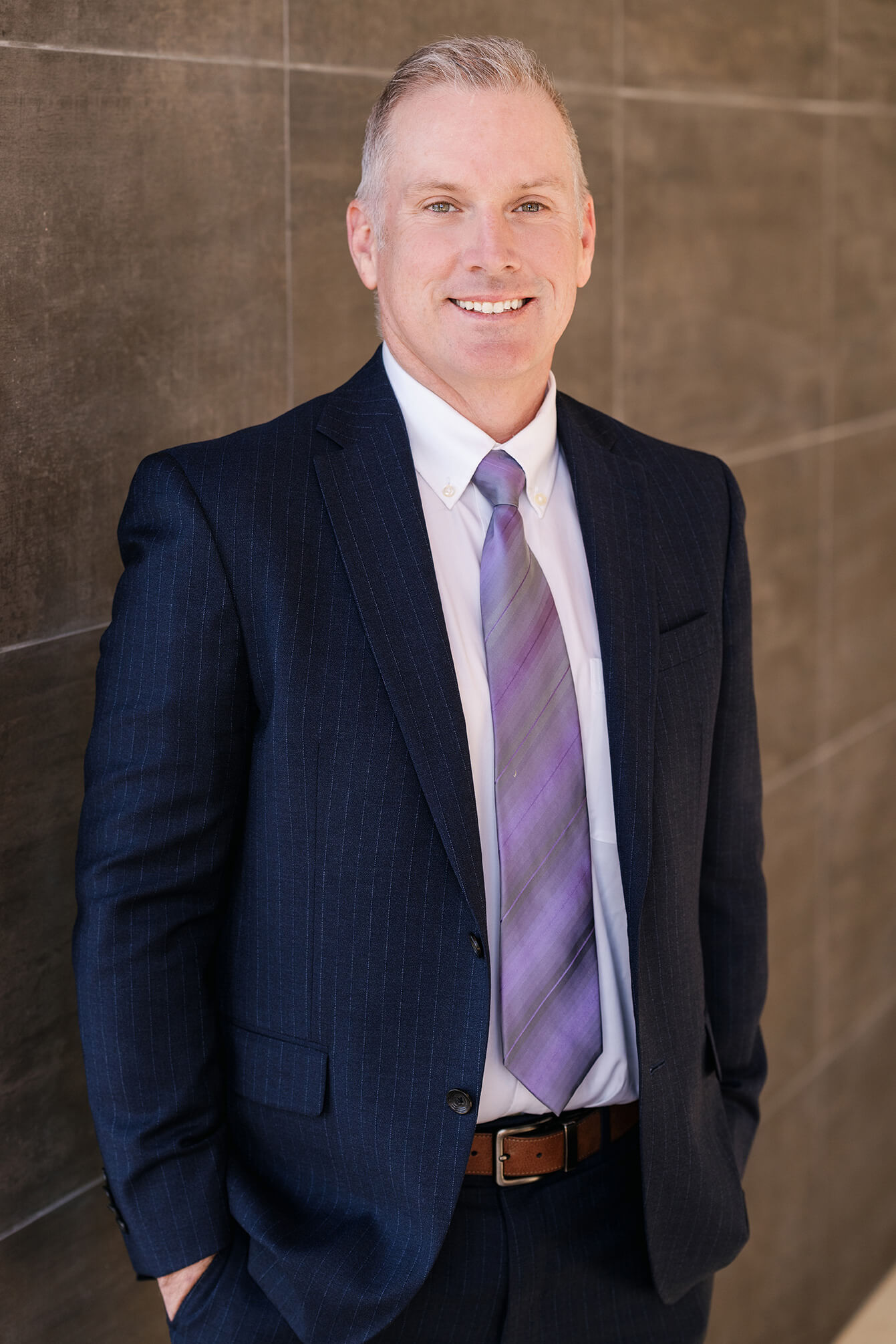
Jeff Gibson, Esq.

Ervin Nevitt, Esq.

John Bey, Esq.

Aman Sharma, Esq.
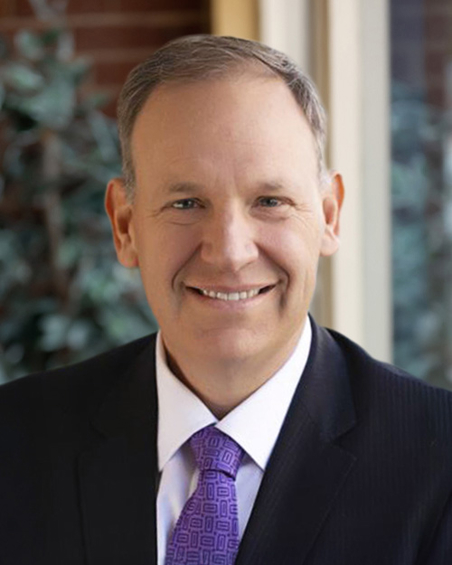
Dan Lipman, Esq.

Joshua Gillispie, Esq.

Jennifer Lipinski, Esq.

Aaron Blank, Esq.
Common questions
Failure to report, answered
What is failure to report sexual abuse?
It is when a person legally required to report known or suspected abuse, a mandated reporter, fails to make that report. In a civil case, when that silence allowed abuse to continue or caused you further harm, the reporter and sometimes their employer can be held accountable for the resulting damage.
Who is a mandatory reporter?
Mandated reporters are people whose job or license puts them in regular contact with children or vulnerable people. That commonly includes teachers, school staff, coaches, doctors, nurses, therapists, social workers, child-care workers, and in many states clergy. The exact list varies by state, but these roles appear almost everywhere.
How do you prove a failure to report?
Your attorney shows the person had a duty to report, knew or reasonably suspected abuse, did not make the required report, and that real harm followed. Proof often comes from records, personnel files, prior complaints, witness accounts, and internal communications showing what was known and when.
What is a common mistake by a mandated reporter?
A frequent one is deciding to "handle it internally" — telling a supervisor, moving someone to a different role, or waiting for more proof — instead of making the official report the law requires. The duty is to report a reasonable suspicion promptly, not to investigate or confirm it first.
What are the consequences of failing to report abuse?
Consequences fall into three areas: criminal penalties (often a misdemeanor, more serious for repeat or harmful failures), civil liability (the reporter can be sued for the harm their silence allowed), and professional fallout (licensing boards may act). Specifics vary by state and role. Our focus is the civil side — recovering for you.
Can a failure to report be part of my case even if I don't know who failed to report?
Yes. You do not need to identify in advance who stayed silent. Part of an attorney's job is investigating what an institution knew and which staff were required to act. Patterns of unreported concerns often come to light only after a case is opened and records are reviewed.
Is there a deadline to bring a failure to report claim?
Deadlines exist and vary by state, and many states have expanded the time survivors of childhood abuse have to come forward. These are calm facts, not a reason to panic. The clearest way to know where you stand is a free, confidential conversation about your specific situation.
What does it cost to talk to an attorney about this?
Nothing to start. Consultations are free and confidential, and these cases are handled on a contingency basis — the attorney is paid only if your case succeeds. You will never be asked for money up front to learn whether you have a claim.
Free & confidential
Talk with someone who understands
Tell us what you feel comfortable sharing. It is free, confidential, and there is no obligation. A real person will follow up with care.
- 100% confidential — your privacy is protected
- No fee unless we win your case
- You stay in control of every step
Prefer to talk now? (877) 421-9608
Start your free case review
It only takes a minute. Share what you’re comfortable with.
You don’t have to carry this alone.
Take the first step on your terms. A free, confidential conversation could be the start of getting the justice and support you deserve.