Negligent Hiring & Supervision
When an organization hired or kept the person who harmed you despite the warning signs, the institution, not just the individual, can be held responsible.
What it means
Negligent hiring and supervision: failing to screen, manage, or remove an employee who then abuses someone.
Negligent hiring and supervision is a legal theory that holds an institution accountable for its own choices, not only for the actions of the person who harmed you. If an employer brought someone on without a reasonable background check or kept them in a position of trust after warning signs appeared, the law can treat that failure as a direct cause of the abuse that followed.
This matters because abuse rarely happens in a vacuum. Behind one harmful individual, there is often an organization that had the power to ask the right questions, listen to a complaint, or act on a red flag, and chose not to. Holding that institution responsible is not about blame for its own sake. It is about the law recognizing that the people and systems meant to keep you safe failed in their duty, and that you deserve answers and accountability.
Time limits do apply, and they vary by state. Many states have recently expanded or reopened the window to file. A free, confidential call simply tells you where you stand — no pressure, no obligation.
How it works
How negligent hiring and supervision work in a sexual abuse case.
These claims focus on what the organization knew, what it should have known, and what it failed to do. To establish negligent hiring or supervision, your attorney generally works to show a few connected things:- A duty of care. The organization had a legal obligation to protect you: a school protecting a student, a youth program protecting a child, a care facility protecting a resident, or an employer protecting a customer.
- Foreseeability. The organization knew, or through reasonable screening and oversight should have known, that this person was unfit or posed a risk of harm.
- A failure to act. The organization skipped or rushed a background check, ignored prior complaints, failed to contact references, or kept the person in place after credible concerns surfaced.
- A causal link. That failure to vet, to supervise, or to remove was a direct cause of the abuse you experienced.
Why survivors trust us
Real attorneys. Proven results. Quiet strength.
Where it applies
Settings where negligent hiring and supervision often comes up
This theory reaches almost any organization that places one person in a position of trust over another. A few of the most common settings:
Schools & youth programs
Teachers, coaches, aides, and volunteers are placed in daily, trusted contact with children. Skipped screening or ignored complaints can expose the school or program.
Churches & faith organizations
Clergy, youth leaders, and staff are given access and authority. Failing to vet a candidate or acting on a known concern can create institutional liability.
Healthcare & residential care
Hospitals, nursing homes, and care facilities employ staff with intimate access to vulnerable patients and residents — a frequent setting for negligent hiring claims.
Employers & workplaces
Businesses can be liable when they hire or keep an employee with a history of misconduct who then harms a coworker, customer, or client.
Simple & safe
How it works
Reach out privately
Call or fill out a short, confidential form. Tell us only what you’re comfortable sharing.
We listen & match you
We connect you with an attorney licensed in your state who handles your type of case.
You decide what’s next
Your free consultation is no-obligation. If you move forward, there’s no fee unless you win.
Named, credentialed, local
Attorneys licensed in your state
Every connection is to a real attorney with verifiable credentials and a record of holding institutions accountable.
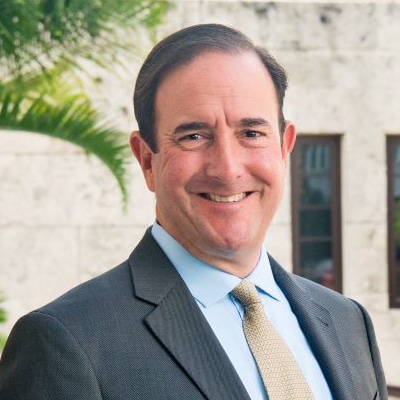
Michael Haggard, Esq.

Laurence Banville, Esq.

Eric Weitz, Esq.

Max Morgan, Esq.

Jeff Gibson, Esq.

Ervin Nevitt, Esq.
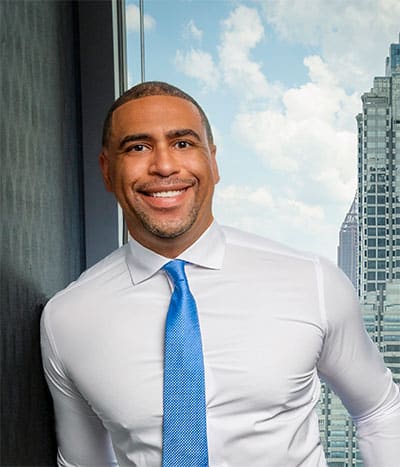
John Bey, Esq.

Aman Sharma, Esq.

Dan Lipman, Esq.

Joshua Gillispie, Esq.

Jennifer Lipinski, Esq.

Aaron Blank, Esq.
Common questions
Negligent hiring and supervision, answered
What is negligent hiring and supervision in a sexual abuse case?
It is a legal theory that holds an organization responsible when it failed to properly screen, oversee, or remove an employee who then abused someone. The focus is on the institution's own negligence — its hiring and supervision choices — not only on the person who caused the harm.
How do you prove negligent hiring?
Your attorney works to show the organization owed you a duty of care, that it knew or should have known the person posed a risk, that it failed to act reasonably, and that this failure was a direct cause of the abuse. Evidence often includes personnel files, prior complaints, background-check records, and internal policies.
What is an example of negligent hiring?
A common example is an organization that hires someone for a role with access to children without running a background check that would have revealed prior misconduct. If that person then abuses a child, the failure to screen can make the organization liable for negligent hiring.
What is the difference between negligent hiring, retention, and supervision?
Negligent hiring is about bringing an unfit person on in the first place. Negligent retention is about keeping them after warning signs appear. Negligent supervision is about failing to properly oversee them on the job. Many cases involve all three at once.
Can this theory apply to my case?
It often can, if an organization placed the person who harmed you in a position of trust and failed to screen, supervise, or remove them. Every situation is different, so the best way to know is a free, confidential conversation where an attorney reviews the specific facts.
Is there a deadline to file a claim?
Yes — every state sets a time limit for these claims, though many states have expanded or revived deadlines for childhood sexual abuse. Deadlines are simply facts to plan around, not a reason to panic. Speaking with an attorney early helps protect your options.
What does it cost to talk to a lawyer about this?
Nothing upfront. These cases are handled on a contingency basis, which means there are no out-of-pocket fees to start, and the attorney is only paid if your case succeeds. The first consultation is free and confidential.
How hard are these cases to win?
Negligent hiring and supervision claims turn on what the organization knew and did — which is why thorough investigation matters. An experienced attorney gathers records, identifies the red flags the institution overlooked, and builds the connection between that failure and the harm you experienced.
Free & confidential
Talk with someone who understands
Share what happened when you're ready. Your message is confidential, there is no cost to reach out, and you decide every next step.
- 100% confidential — your privacy is protected
- No fee unless we win your case
- You stay in control of every step
Prefer to talk now? (877) 421-9608
Start your free case review
It only takes a minute. Share what you’re comfortable with.
You don’t have to carry this alone.
Take the first step on your terms. A free, confidential conversation could be the start of getting the justice and support you deserve.