Juvenile Detention Abuse Lawyer
If you were harmed in a youth detention or treatment facility, you deserve to be heard and believed. We help survivors hold the people and institutions responsible; privately, and at your pace.



What we do
A juvenile detention abuse lawyer helps you hold a facility accountable for harm you suffered as a minor in its care.
When a young person is placed in a juvenile detention center, residential treatment facility, or youth correctional program, the state and its contractors take on a legal duty to keep that child safe. A juvenile detention abuse lawyer investigates what happened, identifies who failed that duty, and pursues civil claims for the lasting harm caused, whether the abuse came from staff or from other residents who were left unsupervised. You do not need every detail, a police report, or physical proof to start. A first conversation is free, confidential, and carries no obligation. We will listen, explain your options, and let you decide what comes next.Time limits do apply, and they vary by state. Many states have recently expanded or reopened the window to file. A free, confidential call simply tells you where you stand — no pressure, no obligation.
Why survivors trust us
Real attorneys. Proven results. Quiet strength.
Where this abuse happens
Facilities and defendants we hold accountable
Juvenile detention abuse takes many forms across many settings. These are the institutions and figures our cases most often involve.
Juvenile detention centers
County and state-run lockup facilities where minors are detained before or after adjudication, often understaffed and short on independent oversight.
Residential treatment facilities
Youth treatment programs, behavioral health centers, and group homes where vulnerable minors are placed and abused by staff or other residents.
Staff and authority figures
Correctional officers, counselors, case workers, teachers, chaplains, and medical personnel who exploit their authority over detained youth.
The state agencies & operators
The departments, counties, and private contractors that ran the facility and ignored complaints, warnings, or known risks.
Youth-on-youth assaults
Cases where inadequate supervision and overcrowding allowed one resident to physically or sexually harm another.
Boot camps & wilderness programs
Court-ordered discipline and treatment programs where isolation and minimal monitoring created conditions for abuse.
Liability
Who can be held responsible for juvenile detention abuse?
Responsibility usually reaches far beyond the individual who caused the harm. Facilities that detain minors have a legal duty to screen, train, and supervise their staff and to protect residents from foreseeable danger. When they fail, the institution itself, and the agency or company that operated it, can be held accountable in a civil claim.- Negligent hiring and retention — keeping or hiring staff despite prior complaints, red flags, or a known history.
- Failure to supervise — understaffing, unmonitored areas, and broken oversight that let abuse happen unseen.
- Ignored reports and retaliation — dismissing a child's outcry, or punishing youth who reported with solitary confinement or threats.
- Inadequate policies and PREA failures — failing to enforce zero-tolerance standards meant to prevent sexual abuse in confinement.
- Negligent placement — housing vulnerable minors with known aggressors, or in facilities with documented danger.
Simple & safe
How it works
Reach out privately
Call or fill out a short, confidential form. Tell us only what you’re comfortable sharing.
We listen & match you
We connect you with an attorney licensed in your state who handles your type of case.
You decide what’s next
Your free consultation is no-obligation. If you move forward, there’s no fee unless you win.
Named, credentialed, local
Attorneys licensed in your state
Every connection is to a real attorney with verifiable credentials and a record of holding institutions accountable.
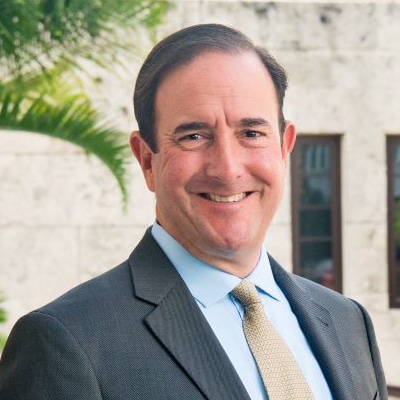
Michael Haggard, Esq.

Laurence Banville, Esq.

Eric Weitz, Esq.

Max Morgan, Esq.

Jeff Gibson, Esq.

Ervin Nevitt, Esq.

John Bey, Esq.

Aman Sharma, Esq.

Dan Lipman, Esq.

Joshua Gillispie, Esq.

Jennifer Lipinski, Esq.

Aaron Blank, Esq.
Answers
Common questions about juvenile detention abuse claims
How much does a juvenile detention abuse lawyer cost?
Nothing upfront. We work on a contingency basis, which means there is no fee unless we win compensation for you. The first consultation is free and confidential, and you owe nothing to learn whether you have a case or to ask questions about the process.
Can I still file a claim if the abuse happened years or decades ago?
Often, yes. Many states have expanded or removed deadlines for childhood sexual abuse claims through Child Victims Act reforms, and some offer revival windows for older cases. The rules vary by state and facility, so the surest step is a free, confidential review of your specific situation.
Who can be sued for abuse in a juvenile detention center?
Responsibility can extend beyond the individual abuser. Depending on the facts, claims may be brought against the facility, the county or state agency that ran it, a private contractor operator, and supervisors who ignored warning signs. We investigate to identify every party that failed to keep you safe.
Is talking to a lawyer about this confidential?
Yes. Your conversation with us is private and protected. Nothing you share obligates you to move forward, and we will never pressure you. You control the pace, what you disclose, and whether you decide to pursue a claim at all.
What compensation can a survivor of juvenile detention abuse recover?
Civil claims can seek compensation for therapy and medical care, the lasting emotional and psychological harm, lost earning potential, and the impact on your life. Every case is different, and we will give you an honest assessment of what your claim may be worth rather than a promise.
Will I have to testify in court?
Most cases resolve through negotiated settlements without a trial, so many survivors never testify publicly. If a case does proceed, we prepare and support you every step of the way and work to protect your privacy. You are never alone in the process.
Do I need proof or a police report to start a case?
No. You do not need a police report, physical evidence, or a perfect memory of dates and details. Your account matters, and our investigators know how to gather facility records, staffing logs, prior complaints, and other evidence to support what you experienced.
What if I was harmed by another resident, not a staff member?
You may still have a claim. Facilities are responsible for supervising residents and preventing foreseeable harm. When understaffing, overcrowding, or poor monitoring allows youth-on-youth violence or assault, the institution can be held accountable for failing to protect you.
What if I was punished or threatened for reporting the abuse?
Retaliation is itself a serious failure by the facility. Placing a child in solitary confinement, threatening them, or silencing an outcry can strengthen a claim, not weaken it. Tell us what happened — that history helps show the facility knew and chose not to protect you.
How long does a juvenile detention abuse case take?
It varies. Some claims resolve in months through settlement, while others take longer if litigation is needed. We move as efficiently as the facts allow, keep you informed at each stage, and never rush you into a decision that is not right for you.
Free & confidential
Talk to a juvenile detention abuse lawyer — free & confidential
Share what you are comfortable sharing. We will listen, answer your questions, and explain your options with no pressure and no obligation.
- 100% confidential — your privacy is protected
- No fee unless we win your case
- You stay in control of every step
Prefer to talk now? (877) 421-9608
Start your free case review
It only takes a minute. Share what you’re comfortable with.
You don’t have to carry this alone.
Take the first step on your terms. A free, confidential conversation could be the start of getting the justice and support you deserve.