Military Sexual Trauma Lawyer
You served. What happened to you was not your fault, and you are believed. A military sexual trauma lawyer can help you secure VA benefits and pursue accountability, privately, at your pace.
Where to start
How can a military sexual trauma lawyer help you?
A military sexual trauma (MST) lawyer guides veterans and service members through VA disability claims and appeals for conditions caused or worsened by sexual assault or sexual harassment during service. You apply for the health condition the trauma caused, such as PTSD, depression, or anxiety, not the event itself, and the VA uses a relaxed evidence standard built for these cases. You do not need a police report or formal complaint to be believed. Your personal statement and "markers" of what changed after the incident can carry your claim. Where civil legal options exist, your lawyer will explain them too. Everything you share is confidential, and there is no fee unless we win.Time limits do apply, and they vary by state. Many states have recently expanded or reopened the window to file. A free, confidential call simply tells you where you stand — no pressure, no obligation.
Why survivors trust us
Real attorneys. Proven results. Quiet strength.
Who and what these cases cover
MST claims take many forms
Military sexual trauma can happen in any branch, rank, or duty station. These are common situations our attorneys help with.
MST-related PTSD claims
The most common path — VA rates the PTSD, depression, or anxiety that resulted from the trauma, using MST marker evidence.
Assault by a fellow servicemember
Harm by a peer, supervisor, drill instructor, or someone in your chain of command, on base, in the field, or in training.
Failures of command & reporting
Cases where a report was ignored, retaliated against, or never properly investigated by leadership.
Sexual harassment & threatening conduct
Repeated, threatening sexual harassment counts as MST — it does not require a physical assault to qualify.
Service academy & training survivors
Trauma during academy, boot camp, ROTC, or advanced training, including by instructors or upperclassmen.
Denied or underrated claims
Appeals and rating increases for veterans whose MST claims were denied or rated too low for their condition.
Accountability
Who can be held responsible for military sexual trauma?
Responsibility starts with the person who harmed you, but it rarely stops there. The VA can be held to its duty to fairly compensate the conditions MST caused, and in some situations institutions and third parties that enabled the abuse can be pursued as well. Your lawyer will identify every avenue that applies to your service and your situation.- The individual perpetrator: the servicemember, officer, or instructor who committed the assault or harassment.
- The VA, through a benefits claim or appeal: securing the disability rating that matches the PTSD or other condition you developed.
- Command and leadership failures: when reports were ignored, mishandled, retaliated against, or never investigated.
- Third parties and contractors: civilian contractors, on-base programs, or facilities whose negligence created the opportunity for harm.
- Negligent supervision or retention: when known risks were left in positions of authority over you.
Simple & safe
How it works
Reach out privately
Call or fill out a short, confidential form. Tell us only what you’re comfortable sharing.
We listen & match you
We connect you with an attorney licensed in your state who handles your type of case.
You decide what’s next
Your free consultation is no-obligation. If you move forward, there’s no fee unless you win.
Named, credentialed, local
Attorneys licensed in your state
Every connection is to a real attorney with verifiable credentials and a record of holding institutions accountable.
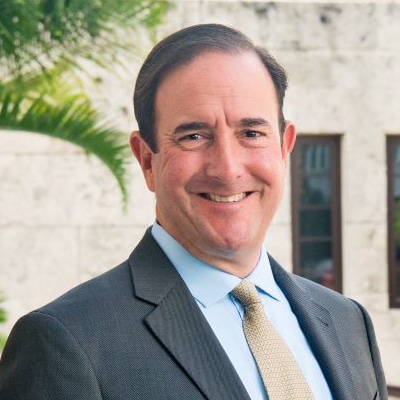
Michael Haggard, Esq.

Laurence Banville, Esq.

Eric Weitz, Esq.
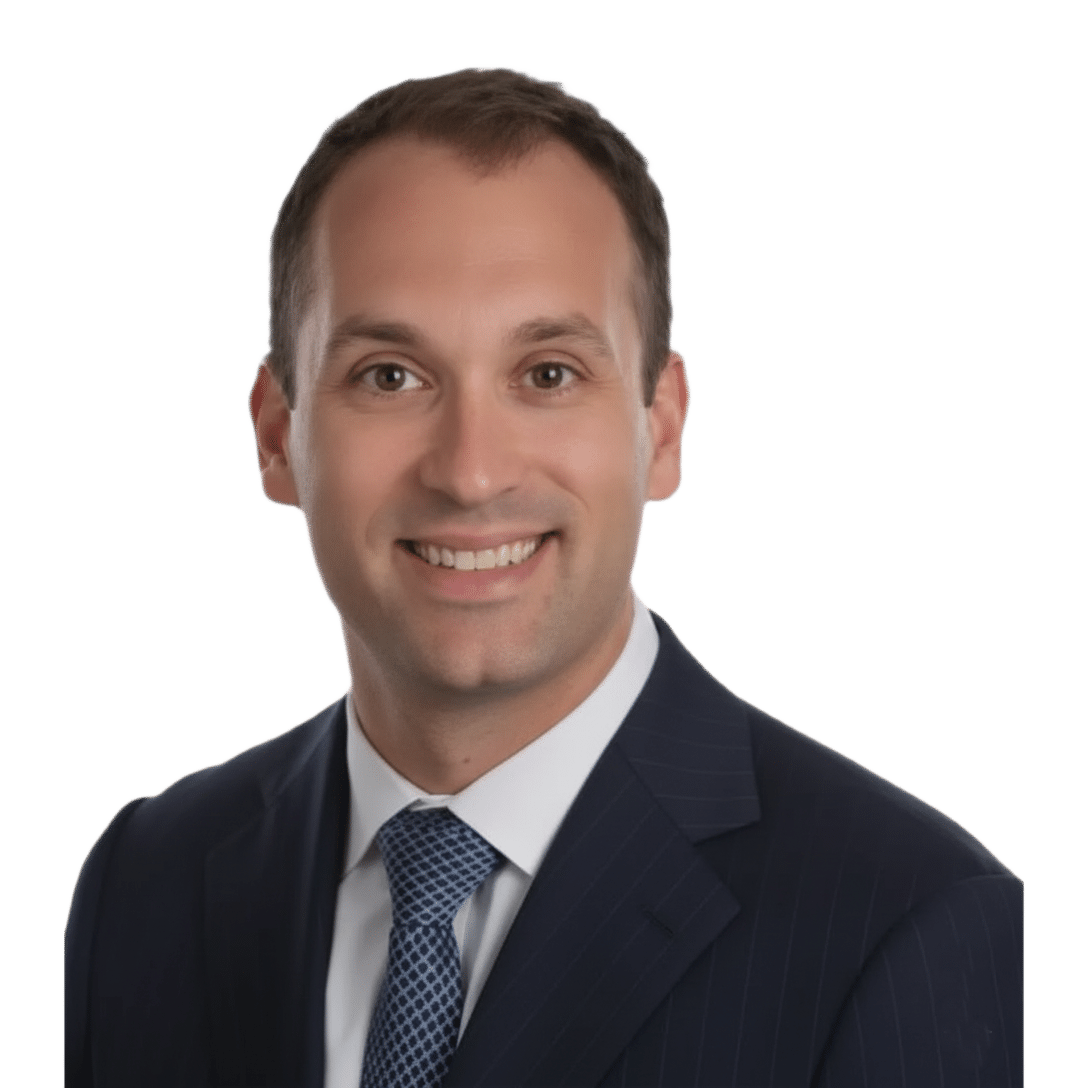
Max Morgan, Esq.
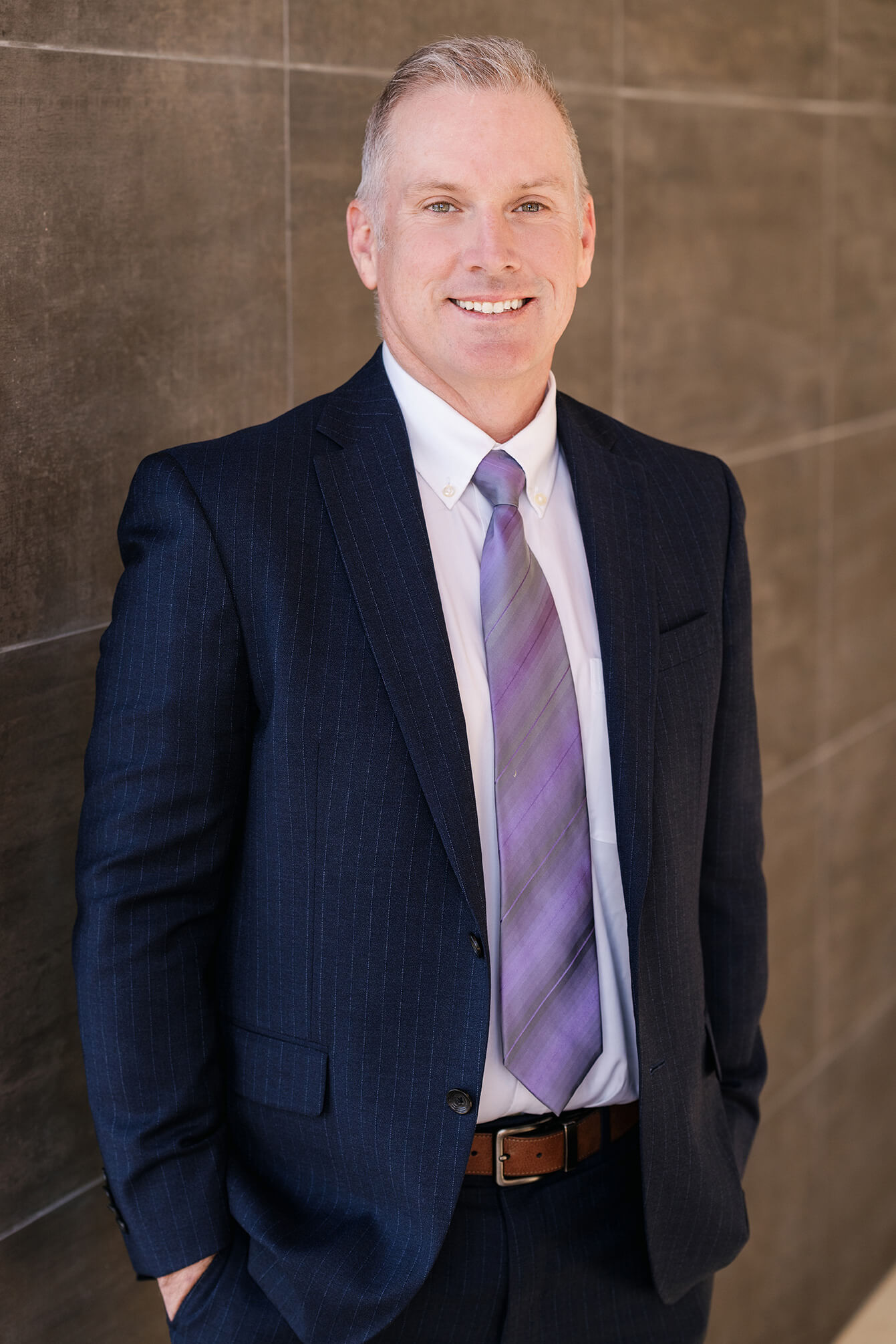
Jeff Gibson, Esq.

Ervin Nevitt, Esq.
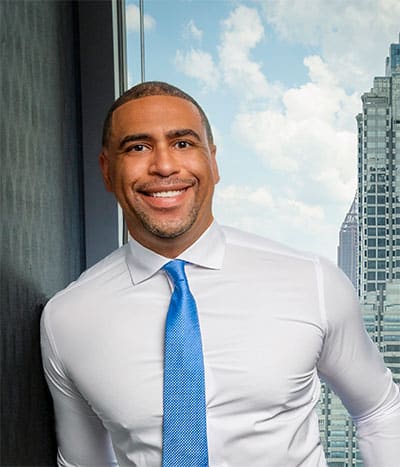
John Bey, Esq.

Aman Sharma, Esq.
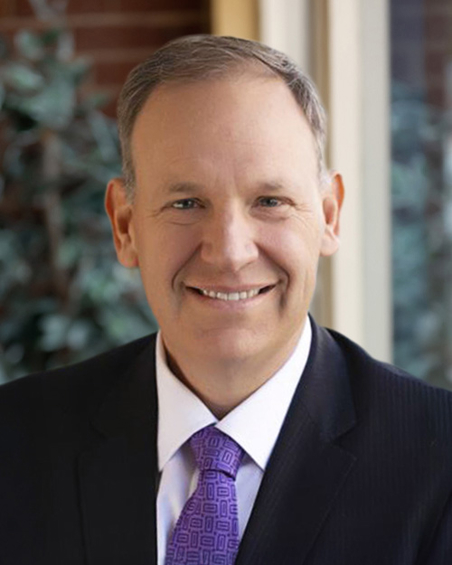
Dan Lipman, Esq.

Joshua Gillispie, Esq.
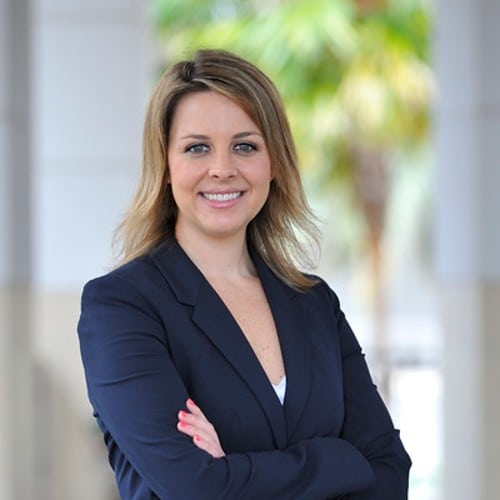
Jennifer Lipinski, Esq.

Aaron Blank, Esq.
Questions, answered
Military sexual trauma claims: what you need to know
What qualifies as military sexual trauma?
MST is any sexual assault or threatening sexual harassment experienced during military service — regardless of branch, gender, or whether you reported it. It includes unwanted sexual contact, coercion, and persistent threatening harassment. You do not need a conviction, police report, or formal complaint for it to qualify. If it happened during service and affected your health, it counts.
Can MST cause PTSD?
Yes. MST is a recognized cause of post-traumatic stress disorder, and PTSD is the most common condition in MST claims. It can also cause depression, anxiety, and other conditions. The VA evaluates the diagnosed condition the trauma produced, so a clear PTSD diagnosis linked to your service is central to most successful MST cases.
Can I get 100% VA disability for MST?
It is possible. MST-related PTSD is rated by how much it limits your daily life and work — a 100% rating reflects total occupational and social impairment. Many veterans are rated below what their symptoms warrant. A lawyer reviews your records, gathers stronger evidence, and pursues the rating that truly matches your condition.
How do I file a claim for military sexual trauma?
You file for the condition MST caused, not the event itself. The core steps: get a formal diagnosis (such as PTSD), submit a personal statement describing what happened and how it affected you, and add "marker" evidence of changes after the incident. A lawyer or accredited representative can prepare and file the claim for you.
What is 'marker' evidence and why does it matter?
Because MST often goes unreported, the VA accepts indirect proof called markers. These are signs your life changed after the trauma: drops in performance evaluations, sudden transfer requests, mental health visits, increased sick leave, substance use, or relationship changes. Your lawyer helps locate these in service and medical records to support your statement.
How many MST claims are approved, and how do I win mine?
Approval rates vary, and many strong claims are denied at first for weak or incomplete evidence — not because the veteran was not believed. You strengthen your claim with a solid diagnosis, a clear personal statement, marker evidence, and a well-prepared C&P exam. Experienced legal help significantly improves outcomes on initial claims and appeals.
What is the C&P exam for MST PTSD?
The Compensation and Pension (C&P) exam is a VA evaluation where an examiner assesses your condition and how it connects to service. For MST PTSD, the examiner reviews your history and symptoms. Answer honestly and fully about how symptoms affect your daily life — minimizing them can lower your rating. Your lawyer helps you prepare for what to expect.
How much does a military sexual trauma lawyer cost?
Nothing upfront. We work on a contingency basis for civil matters — no fee unless we win — and VA disability claim representation follows VA fee rules, which are also paid only if your claim succeeds. Your first consultation is free and confidential. You will never be asked to pay out of pocket to get started.
Is there a deadline to file an MST claim?
VA disability claims for MST can generally be filed at any time — there is no expiration on applying for benefits, and your effective date is tied to when you file. Civil legal claims do have time limits that vary by state and situation. The calm reality: act when you are ready, but a quick call helps protect your options.
Will I have to testify, and is everything confidential?
Most MST claims are resolved through paperwork and the C&P exam — not a courtroom — so many veterans never testify. If a civil case proceeds, your lawyer prepares and supports you every step. Everything you share with us is confidential and protected. You decide how much to share and when.
Free & confidential
Talk to a military sexual trauma lawyer: free & confidential
Tell us what happened in your own words. We will listen, explain your options, and never pressure you.
- 100% confidential — your privacy is protected
- No fee unless we win your case
- You stay in control of every step
Prefer to talk now? (877) 421-9608
Start your free case review
It only takes a minute. Share what you’re comfortable with.
You don’t have to carry this alone.
Take the first step on your terms. A free, confidential conversation could be the start of getting the justice and support you deserve.