Psychiatrist & Therapist Sexual Abuse Lawyer
If a psychiatrist, therapist, or counselor crossed a sexual line with you, what happened was a betrayal of trust — not your fault. You are believed, and you can speak with a lawyer privately.



Where To Start
A psychiatrist sexual abuse lawyer helps you hold a trusted mental-health provider accountable.
A psychiatrist and therapist sexual abuse lawyer represents people who were sexually exploited, touched, or coerced by the very provider they went to for help. Because therapists and psychiatrists hold real power over vulnerable patients, any sexual contact in that relationship is a serious boundary violation — and in most states it is treated as abuse, not a "relationship," even if you seemed to agree at the time.
You do not need to have the whole story figured out, and you do not need physical proof to begin. A confidential conversation simply helps you understand your options. There is no cost to talk, and nothing moves forward without your say-so.
Time limits do apply, and they vary by state. Many states have recently expanded or reopened the window to file. A free, confidential call simply tells you where you stand — no pressure, no obligation.
Why survivors trust us
Real attorneys. Proven results. Quiet strength.
Who This Covers
Providers and settings these cases involve
Sexual abuse by a mental-health provider can happen in many settings. These are the most common situations our network handles.
Psychiatrists & Psychologists
Sexual contact, exploitation, or boundary violations by a treating psychiatrist or psychologist, including during medication management or talk therapy.
Therapists & Counselors
Licensed therapists, marriage and family counselors, and clinical social workers who turned the therapy relationship into something sexual.
Inpatient & Psychiatric Facilities
Abuse inside hospitals, residential treatment centers, and behavioral-health units where patients are especially vulnerable.
Adolescent & Youth Treatment
Sexual abuse of minors or teens in youth mental-health programs, school counseling, and adolescent treatment settings.
Addiction & Rehab Counseling
Counselors and providers who exploited patients during substance-use treatment, detox, or recovery programs.
Telehealth & Online Therapy
Sexual harassment, grooming, or solicitation that happened over video sessions, messaging, or virtual counseling platforms.
Accountability
Who can be held responsible for psychiatrist or therapist sexual abuse?
The provider who abused you can be held responsible — and often so can the clinic, hospital, group practice, or employer that put them in a position of trust. These cases frequently uncover warning signs that were ignored: prior complaints, missing supervision, or a license history no one checked. When an organization fails to protect patients, it can share in the liability.
- The individual provider — for the sexual misconduct itself, which is a recognized breach of professional and ethical duty in every state.
- The employing practice, clinic, or hospital — for negligent hiring, supervision, or retention of a provider with red flags.
- Inpatient and residential facilities — for failing to safeguard vulnerable patients, ignoring complaints, or leaving patients unmonitored.
- Supervisors and administrators — who knew, or should have known, about prior misconduct and did nothing.
- Licensing or credentialing failures — when an organization ignored disciplinary history or warning signs before granting access to patients.
Simple & safe
How it works
Reach out privately
Call or fill out a short, confidential form. Tell us only what you’re comfortable sharing.
We listen & match you
We connect you with an attorney licensed in your state who handles your type of case.
You decide what’s next
Your free consultation is no-obligation. If you move forward, there’s no fee unless you win.
Named, credentialed, local
Attorneys licensed in your state
Every connection is to a real attorney with verifiable credentials and a record of holding institutions accountable.
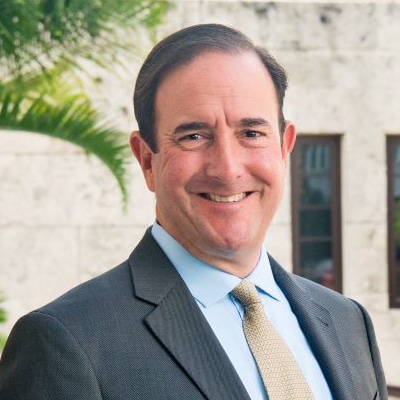
Michael Haggard, Esq.

Laurence Banville, Esq.

Eric Weitz, Esq.

Max Morgan, Esq.

Jeff Gibson, Esq.

Ervin Nevitt, Esq.

John Bey, Esq.

Aman Sharma, Esq.

Dan Lipman, Esq.

Joshua Gillispie, Esq.

Jennifer Lipinski, Esq.

Aaron Blank, Esq.
Answers
Common questions about psychiatrist & therapist abuse cases
Is sexual contact with a therapist or psychiatrist always abuse?
Yes. Because a provider holds power and influence over a patient, sexual contact in that relationship is treated as a serious boundary violation — abuse, not consent. This is true even if you cared for them, felt you agreed, or the contact happened after sessions ended. The responsibility always rests with the professional.
What if I felt like I consented at the time?
Your feelings were a normal response to manipulation, not a reason for blame. The law recognizes that a therapist's authority makes true consent impossible. Many survivors describe being slowly drawn in over months. What you felt does not change what happened: the provider misused their position, and that is on them.
Do I need proof to start a case?
No. You do not need recordings, texts, or witnesses to talk to a lawyer. Many strong cases begin with only your account. Your attorney can gather records, licensing complaints, and other evidence. The first step is simply a confidential conversation — bring whatever you have, and nothing if you have nothing.
Will my therapy records become public?
These cases are handled with deep care for your privacy. Most are resolved confidentially, and courts have strong protections for mental-health records and survivor identities. Your lawyer will explain exactly what stays private and what, if anything, becomes part of the case — and you stay in control of those decisions.
Can I sue the clinic or hospital, not just the provider?
Often, yes. If a practice, hospital, or treatment center hired, supervised, or kept a provider despite warning signs, it can share legal responsibility. These organizations frequently have a duty to protect patients. Holding the institution accountable can also help expose patterns that put others at risk.
How long do I have to take action?
Deadlines, called statutes of limitations, vary by state, and many states have expanded the time survivors have to come forward — especially for abuse that happened as a minor. Because the rules differ and exceptions exist, the calm next step is a quick, free conversation so a lawyer can tell you where you stand.
What can a case recover for me?
Compensation can cover therapy and future counseling, medical costs, lost income, and the emotional harm you carried. In some cases, additional damages apply when a provider or institution acted especially wrongfully. No amount undoes the harm, but it can fund your recovery and signal that what happened mattered.
Will I have to testify in court?
Most cases never reach a courtroom — many resolve through confidential settlement. If a case does move toward trial, your attorney prepares and supports you every step, and protections exist to limit how and where you have to speak. You are never pushed into anything you are not ready for.
How much does a psychiatrist abuse lawyer cost?
Nothing upfront. These cases are handled on a contingency basis, which means you pay no fees unless your case succeeds. The first consultation is free and confidential. You will never be asked for money out of pocket to find out whether you have a case.
Is my conversation really confidential?
Yes. Your first conversation is private and protected. We understand how hard it is to talk about abuse by someone you trusted with your mental health, and you control how much you share and how fast you go. You can ask questions, learn your options, and decide later whether to move forward.
Free & confidential
Talk to a psychiatrist & therapist sexual abuse lawyer — free & confidential
Share as much or as little as you are ready to. A caring member of our network will reach out privately to talk through your options.
- 100% confidential — your privacy is protected
- No fee unless we win your case
- You stay in control of every step
Prefer to talk now? (877) 421-9608
Start your free case review
It only takes a minute. Share what you’re comfortable with.
You don’t have to carry this alone.
Take the first step on your terms. A free, confidential conversation could be the start of getting the justice and support you deserve.