Title IX Lawyer
If you were sexually assaulted or harassed at school, you have rights under federal law — and you are believed. We help you understand them and protect your future.



What a Title IX lawyer does
A Title IX lawyer helps students who were sexually assaulted or harassed at school assert their federal civil rights and hold the school accountable.
Title IX is a federal civil rights law. It says that schools receiving federal funding cannot let sex-based discrimination — including sexual assault and sexual harassment — stand in the way of your education. When a school ignores what happened to you, mishandles the investigation, or retaliates against you, a Title IX lawyer can step in.
You do not have to navigate the campus process alone or take the school's word for what your rights are. We explain your options in plain language, protect you during the investigation, and pursue accountability and compensation when a school's failure caused you harm.
Time limits do apply, and they vary by state. Many states have recently expanded or reopened the window to file. A free, confidential call simply tells you where you stand — no pressure, no obligation.
Why survivors trust us
Real attorneys. Proven results. Quiet strength.
Where Title IX cases arise
Settings and defendants in Title IX cases
Title IX protects students across every level of federally funded education. These are the settings and parties our attorneys see most often.
Colleges & universities
Assault or harassment in dorms, on campus, at parties, or by faculty — including schools that bury or botch the investigation.
K-12 schools
Public schools and districts that failed to act on known abuse by staff, coaches, or another student.
Coaches & athletic programs
Abuse by coaches, trainers, or athletic staff, and programs that protected the abuser over the student.
Professors & school staff
Quid pro quo harassment, grooming, or assault by someone in a position of authority over your grades or future.
Student-on-student abuse
Peer sexual assault or harassment the school knew about and failed to stop, leaving you exposed.
Schools that retaliated
Institutions that punished, silenced, or pushed out the survivor instead of the person who caused harm.
Who is responsible
Who can be held responsible for Title IX abuse?
Both the person who harmed you and the school that failed to protect you can be held responsible. Under Title IX, a federally funded school has a legal duty to respond promptly and fairly once it knows — or should have known — about sexual misconduct. When it ignores that duty, the institution itself can be liable for the harm that follows.
- Deliberate indifference — the school knew about the assault or harassment and failed to take reasonable action to stop it.
- A botched or biased investigation — the grievance process was unfair, one-sided, or designed to protect the school's reputation.
- Failure to provide supportive measures — no no-contact order, no housing or academic accommodations, no counseling, so you couldn't stay in school safely.
- Retaliation — the school punished, isolated, or removed you for reporting, which Title IX expressly forbids.
- Negligent hiring or supervision — the school kept a known abuser in a position of trust and contact with students.
Simple & safe
How it works
Reach out privately
Call or fill out a short, confidential form. Tell us only what you’re comfortable sharing.
We listen & match you
We connect you with an attorney licensed in your state who handles your type of case.
You decide what’s next
Your free consultation is no-obligation. If you move forward, there’s no fee unless you win.
Named, credentialed, local
Attorneys licensed in your state
Every connection is to a real attorney with verifiable credentials and a record of holding institutions accountable.
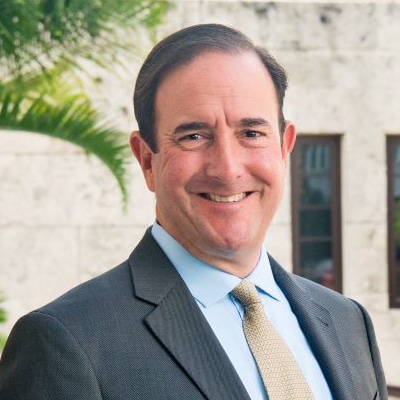
Michael Haggard, Esq.

Laurence Banville, Esq.

Eric Weitz, Esq.

Max Morgan, Esq.

Jeff Gibson, Esq.

Ervin Nevitt, Esq.

John Bey, Esq.

Aman Sharma, Esq.

Dan Lipman, Esq.

Joshua Gillispie, Esq.

Jennifer Lipinski, Esq.

Aaron Blank, Esq.
Common questions
Title IX questions, answered
Does Title IX include sexual assault?
Yes. Under Title IX, sexual assault and sexual harassment are treated as forms of illegal sex discrimination. A federally funded school must act promptly to investigate, stop the misconduct, and prevent it from happening again. If the school fails to do that, you may have a claim.
What is Title IX in simple terms?
Title IX is a federal law that says schools receiving federal money cannot let sex-based discrimination block your education. In plain terms: your school has to take sexual assault and harassment seriously, support you, and keep you safe — so you can keep learning without being driven out.
What is an example of a Title IX violation?
A common example is a school that learns a student was sexually assaulted and does nothing — no investigation, no no-contact order, no accommodations. Other examples include a biased investigation, a professor demanding sexual favors for grades, or punishing the survivor for reporting.
What is not covered under Title IX?
Title IX covers sex-based discrimination, harassment, and assault tied to a federally funded education program. It generally does not cover conduct with no connection to your school, or schools that receive no federal funding. If you're unsure whether your situation qualifies, we'll review it with you for free — there's no wrong question.
Does Title IX apply to all genders?
Yes. Title IX protects students of every gender. Anyone facing sex-based discrimination, sexual harassment, or sexual assault in a federally funded school is covered. You are protected and you are believed, regardless of your gender or your abuser's.
Who enforces Title IX?
Title IX is enforced through the school itself, the U.S. Department of Education's Office for Civil Rights, and the federal courts. Each school must have a Title IX Coordinator. When the school's own process fails you, a Title IX lawyer can pursue accountability and compensation in court on your behalf.
What are reportable offenses under Title IX?
Reportable offenses include sexual assault, rape, sexual battery, unwanted sexual touching, stalking, dating and domestic violence, and sexual harassment such as quid pro quo demands or a hostile environment. Most school employees, including professors and resident advisors, are mandatory reporters who must notify the Title IX Coordinator.
Will I have to testify or go to court?
Often, no. Many Title IX claims resolve through the campus process or a confidential settlement without a trial. If your case does move toward court, we prepare and support you every step, and you are never forced to speak before you are ready. Your comfort and safety guide the pace.
Is talking to a Title IX lawyer confidential?
Yes. Your conversation with us is private and protected. We will not share your story without your permission, and a free case review carries no obligation to move forward. You decide what happens next — we're simply here to explain your rights and options.
What does a Title IX lawyer cost?
Nothing upfront. We work on a contingency basis, which means there is no fee unless we win compensation for you. The first conversation is free and confidential. Money should never stand between you and finding out whether you have a case.
Free & confidential
Talk to a Title IX lawyer — free & confidential
Tell us what happened in your own words. We'll listen, explain your rights, and help you decide what comes next — at your pace.
- 100% confidential — your privacy is protected
- No fee unless we win your case
- You stay in control of every step
Prefer to talk now? (877) 421-9608
Start your free case review
It only takes a minute. Share what you’re comfortable with.
You don’t have to carry this alone.
Take the first step on your terms. A free, confidential conversation could be the start of getting the justice and support you deserve.