Troubled Teen Industry Abuse Lawyer
If you were harmed at a residential program, wilderness camp, or therapeutic boarding school, you are believed. We can help you understand your options — privately, and at your pace.

What we do
A troubled teen industry abuse lawyer helps you hold a program accountable for what happened to you.
Programs marketed to parents as "treatment" — wilderness therapy, therapeutic boarding schools, residential treatment centers, and behavior-modification camps — have a long, documented history of abuse, restraint injuries, neglect, and cover-ups. A troubled teen industry abuse lawyer investigates what the facility knew, what it ignored, and how its choices harmed you, then pursues compensation from the people and companies responsible.
You do not need every document, date, or detail to reach out. You do not need to have reported it at the time. Telling us what you remember is enough to begin, and the first conversation is free and confidential.
Time limits do apply, and they vary by state. Many states have recently expanded or reopened the window to file. A free, confidential call simply tells you where you stand — no pressure, no obligation.
Why survivors trust us
Real attorneys. Proven results. Quiet strength.
Where this abuse happens
Programs and settings we handle
The troubled teen industry spans many program types. We represent survivors harmed in any of these settings, whether the program is still open or has since closed.
Therapeutic boarding schools
Live-in schools that promised structure and therapy but used isolation, punishment, or staff who crossed the line.
Wilderness & outdoor camps
Remote wilderness and "outdoor behavioral" programs where neglect, denial of food or water, and unsafe restraints caused serious harm.
Residential treatment centers
Locked or staff-secure RTCs and group homes where teens were abused by staff or by other residents who were not properly supervised.
Behavior-modification programs
"Tough love" boot camps and behavior-mod facilities that used degradation, forced labor, or seclusion as discipline.
Faith-based & specialty programs
Religious reform schools and specialty programs where survivors were isolated from family and harmed without oversight.
Programs that have since closed
Many facilities shut down or rebranded after complaints. A closed program does not erase your right to seek accountability.
Accountability
Who can be held responsible for troubled teen industry abuse?
More than one party is often responsible. The staff member who caused harm may be liable, and so may the program, its owners, and the corporate chain or investors that ran it — especially when they hired, trained, and supervised poorly, or ignored warning signs to protect enrollment and revenue. A lawyer's job is to trace the harm back to every party whose negligence allowed it.
- Negligent hiring and screening — placing staff with troubling histories in charge of vulnerable teens.
- Failure to supervise and protect — leaving residents unmonitored, ignoring complaints, or allowing peer-on-peer abuse.
- Unsafe restraint and seclusion practices — using dangerous physical holds, isolation, or punishment that caused injury.
- Neglect of basic needs — withholding food, water, medical care, or contact with family.
- Concealment and corporate liability — owners or parent companies that knew of abuse and kept programs running anyway.
Simple & safe
How it works
Reach out privately
Call or fill out a short, confidential form. Tell us only what you’re comfortable sharing.
We listen & match you
We connect you with an attorney licensed in your state who handles your type of case.
You decide what’s next
Your free consultation is no-obligation. If you move forward, there’s no fee unless you win.
Named, credentialed, local
Attorneys licensed in your state
Every connection is to a real attorney with verifiable credentials and a record of holding institutions accountable.
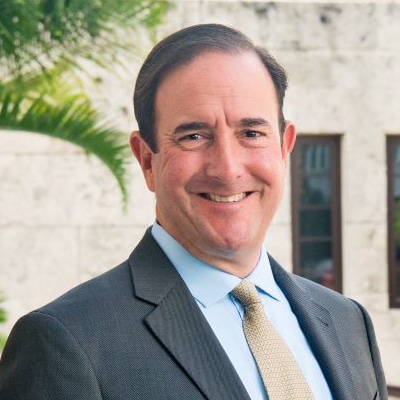
Michael Haggard, Esq.

Laurence Banville, Esq.

Eric Weitz, Esq.

Max Morgan, Esq.

Jeff Gibson, Esq.

Ervin Nevitt, Esq.

John Bey, Esq.

Aman Sharma, Esq.

Dan Lipman, Esq.

Joshua Gillispie, Esq.

Jennifer Lipinski, Esq.

Aaron Blank, Esq.
Common questions
Troubled teen industry abuse — answered
What counts as troubled teen industry abuse?
It includes any physical, sexual, emotional, or psychological abuse, dangerous restraints, isolation, or neglect that you experienced in a residential program, boarding school, wilderness camp, or treatment center for teens. If a program harmed you or failed to keep you safe, it may be grounds for a claim — even if staff called it "discipline."
How much does a troubled teen industry abuse lawyer cost?
Nothing upfront. We work on a contingency basis, which means there is no fee unless we win compensation for you. The first consultation is always free and confidential, and you are never asked to pay out of pocket to learn about your options.
Is it too late if the program closed or it happened years ago?
Often, no. Many states have extended or reopened the time limits for childhood abuse claims, and a closed or rebranded program can still be pursued through its former owners, corporate successors, or insurers. The deadlines are simply facts to check — tell us when and where it happened and we will review the timeline that applies to you.
What is the statute of limitations for these cases?
It depends on your state and how old you were. Many states give survivors of childhood abuse extra years after they turn 18, and some have opened special windows for older claims. Rather than guess, let us review your situation — calmly and with no pressure — and tell you exactly where you stand.
Do I have to remember every detail or have proof?
No. You do not need documents, dates, or records to start. Memory after trauma is rarely perfect, and that is expected. We help gather program records, staffing files, complaints, and other survivors' accounts. What you remember is enough to begin a conversation.
Will I have to testify in court?
Most survivors never see a courtroom. Many of these cases resolve through settlement, and when testimony is needed it is often handled privately rather than in open court. If your case does move forward, we prepare and support you at every step, and your comfort guides the pace.
Is talking to you confidential?
Yes. Your conversation with us is private and protected, and reaching out does not commit you to anything. Nothing is shared with your former program, and you decide what happens next. You can ask questions and leave with information, no strings attached.
What compensation can a survivor recover?
Compensation can cover therapy and counseling, medical care, lost earnings or education, and the pain, trauma, and lasting effects of what you endured. In cases of egregious conduct or cover-up, additional damages may apply. No amount undoes the past, but it can fund your recovery and force real accountability.
Who can be sued in a troubled teen industry case?
Potentially the staff member, the program itself, its owners and directors, and the parent company, chain, or investors behind it. Referral services and others who placed you may also share responsibility. We identify every party whose negligence contributed and pursue accountability from all of them.
My parents sent me there — can I still bring a claim?
Yes. Your parents acted on what the program told them, and the responsibility for the harm rests with the facility and its staff, not with you or your family. A claim targets the program that failed you. Many families pursue these cases together, united in seeking accountability.
Free & confidential
Talk to a troubled teen industry abuse lawyer — free & confidential
Tell us what you remember. We will listen, answer your questions, and explain your options at your pace — with no pressure and no cost to begin.
- 100% confidential — your privacy is protected
- No fee unless we win your case
- You stay in control of every step
Prefer to talk now? (877) 421-9608
Start your free case review
It only takes a minute. Share what you’re comfortable with.
You don’t have to carry this alone.
Take the first step on your terms. A free, confidential conversation could be the start of getting the justice and support you deserve.