School Sexual Abuse Lawyer
If you or your child was harmed by a teacher, coach, or staff member, you deserve to be heard. We help survivors hold schools accountable — confidentially, and with care.


What We Do
A school sexual abuse lawyer helps you hold the school and its staff accountable for the harm you experienced.
A school sexual abuse lawyer represents students and families when a teacher, coach, administrator, bus driver, or other staff member sexually abused or harassed a child — and when the school, district, or institution failed to protect them. We pursue a civil claim for compensation and accountability, separate from any criminal case.
You will be believed here. You do not need every detail, every date, or any proof to talk with us. There is no cost to ask a question, and nothing moves forward without your say-so. We handle these cases quietly and with the dignity you and your child deserve.
Time limits do apply, and they vary by state. Many states have recently expanded or reopened the window to file. A free, confidential call simply tells you where you stand — no pressure, no obligation.
Why survivors trust us
Real attorneys. Proven results. Quiet strength.
Where This Happens
Schools and people we hold responsible
School sexual abuse takes many forms across many settings. These are the institutions and roles our cases most often involve.
K-12 Public & Private Schools
Abuse by teachers, aides, or administrators in elementary, middle, and high schools — and districts that ignored warning signs or prior complaints.
Coaches & Athletic Programs
Abuse by coaches, trainers, or athletic staff during practices, travel, private lessons, or one-on-one sessions.
Boarding & Residential Schools
Abuse in dormitories and residential programs where students live away from home and staff hold round-the-clock access.
Daycares & Preschools
Abuse of young children by daycare workers, preschool teachers, or after-school program staff entrusted with their care.
Buses & School Transportation
Abuse by bus drivers, monitors, or transportation staff during the commute to and from school.
Colleges & Universities
Abuse by professors, advisors, staff, or program leaders on campus, in housing, or during school activities.
Liability
Who can be held responsible for school sexual abuse?
More than the individual abuser can be held responsible. Schools and districts have a legal duty to protect the students in their care. When they fail to screen staff, ignore red flags, or look away from complaints, the institution itself can be held accountable — and that is often where meaningful compensation and real change come from.
Depending on what happened, a claim may name one or more of the following:
- The individual staff member — the teacher, coach, aide, or employee who committed the abuse.
- The school or district — for negligent hiring, supervision, or retention of an employee they knew or should have known was a danger.
- Administrators and supervisors — for ignoring reports, failing to act on warning signs, or failing to follow mandatory reporting laws.
- The institution or governing body — for covering up abuse, transferring a known abuser, or creating an unsafe environment.
- Third-party programs or contractors — athletic clubs, tutoring services, or transportation companies operating on the school's behalf.
Simple & safe
How it works
Reach out privately
Call or fill out a short, confidential form. Tell us only what you’re comfortable sharing.
We listen & match you
We connect you with an attorney licensed in your state who handles your type of case.
You decide what’s next
Your free consultation is no-obligation. If you move forward, there’s no fee unless you win.
Named, credentialed, local
Attorneys licensed in your state
Every connection is to a real attorney with verifiable credentials and a record of holding institutions accountable.
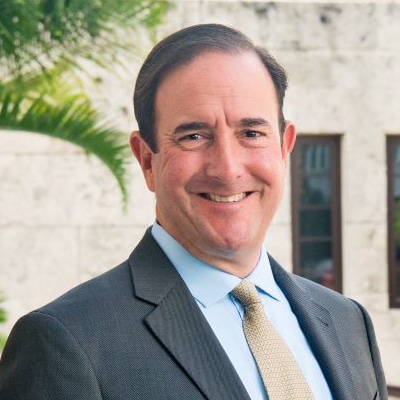
Michael Haggard, Esq.

Laurence Banville, Esq.

Eric Weitz, Esq.

Max Morgan, Esq.
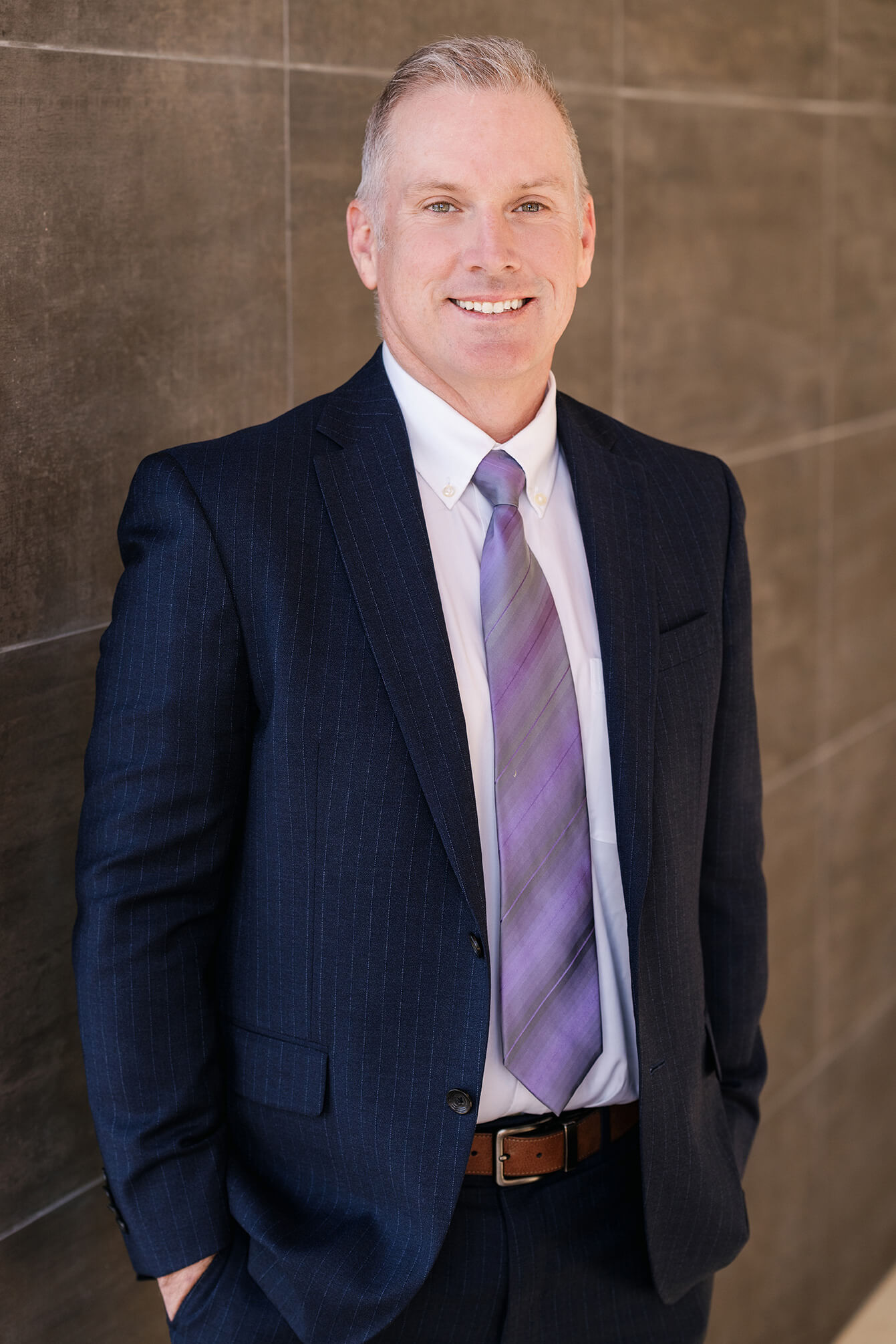
Jeff Gibson, Esq.

Ervin Nevitt, Esq.
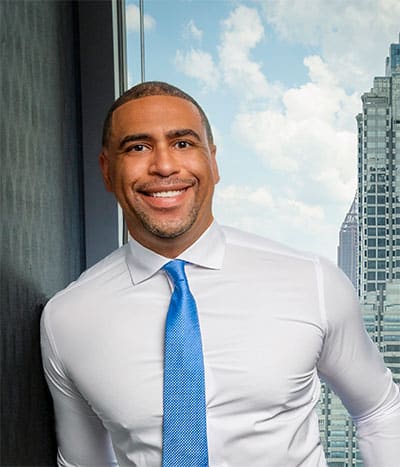
John Bey, Esq.

Aman Sharma, Esq.
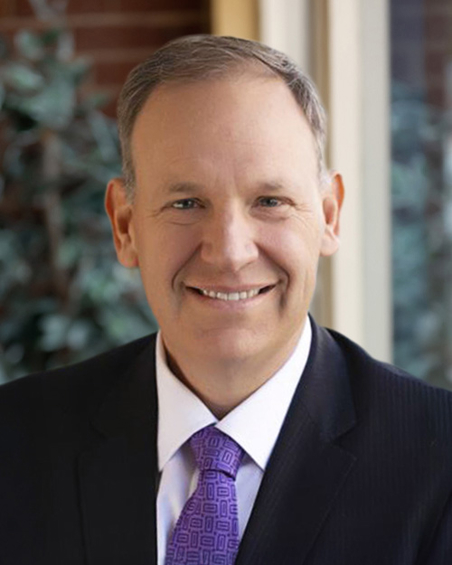
Dan Lipman, Esq.

Joshua Gillispie, Esq.

Jennifer Lipinski, Esq.

Aaron Blank, Esq.
Answers
School sexual abuse questions, answered
What counts as sexual abuse or harassment at school?
It includes any unwanted sexual contact, inappropriate touching, sexual comments, exposure, grooming, or coercion by a school employee or another person in the school setting. Examples of inappropriate touching include contact with private areas, prolonged or secretive physical contact, or any sexual touching of a student. If something felt wrong, it is worth asking us about.
What should I do if my child was sexually harassed or abused at school?
First, make sure your child is safe and supported, and seek medical care if needed. Report the abuse to the school and, where required, to police or child protective services. Then talk to a school sexual abuse lawyer about your options. We can guide you through the steps and protect your family's rights along the way.
How do I ask my child if they were touched inappropriately?
Stay calm and gentle, and let them know they are safe and not in trouble. Use simple, open questions like "Has anyone ever touched you in a way that made you uncomfortable?" and listen without pressure. Believe them, avoid leading questions, and write down what they share. A trauma-informed lawyer can help from there.
Is it too late to file a school sexual abuse claim?
Often, no. Many states have extended or revived their deadlines for childhood sexual abuse claims, and time limits frequently pause until a survivor turns 18 or later. The rules vary by state and by when the abuse occurred. The simplest way to know is to ask us — we will check the deadline that applies to you, calmly and for free.
How much does a school sexual abuse lawyer cost?
Nothing upfront. We work on a contingency basis, which means there is no fee unless we win your case. The consultation is free and confidential, and you never pay out of pocket. If we recover compensation, our fee comes as a percentage of that recovery — never from your own savings.
What compensation can a school sexual abuse case recover?
Compensation can cover therapy and counseling, medical care, lost earnings, and the pain, trauma, and lasting impact of the abuse. In some cases, additional damages may apply when an institution acted with extreme negligence or covered up the harm. Every case is different — we will give you an honest assessment of yours.
Will my child or I have to testify in court?
Often, no. The large majority of these cases resolve through confidential settlement without a trial. If a case does go further, we prepare you carefully and protect you every step of the way, and many courts allow special accommodations for survivors. We never push you into anything you are not ready for.
Is talking to a school sexual abuse lawyer confidential?
Yes. Everything you share with us is private and protected, and reaching out does not commit you to anything. We understand how hard it is to come forward, and we move at your pace. You decide what happens next — we are simply here to answer your questions when you are ready.
Do I need to file a police report or wait for the criminal case?
No. A civil claim is separate from any criminal case, and you do not need a conviction — or even a police report — to pursue one. Criminal and civil cases use different standards and serve different purposes. You can pursue compensation and accountability on your own timeline, with or without a criminal proceeding.
What is Erin's Law and how does it relate to school abuse?
Erin's Law is named for survivor and advocate Erin Merryn, and it requires many schools to teach age-appropriate sexual abuse prevention and how to report it. It reflects a wider duty schools have to keep students safe. When a school ignores that duty and a child is harmed, a civil claim can hold the institution accountable.
Free & confidential
Talk to a school sexual abuse lawyer — free & confidential
Tell us what happened in your own words. There is no cost, no pressure, and no obligation — just answers and support when you are ready.
- 100% confidential — your privacy is protected
- No fee unless we win your case
- You stay in control of every step
Prefer to talk now? (877) 421-9608
Start your free case review
It only takes a minute. Share what you’re comfortable with.
You don’t have to carry this alone.
Take the first step on your terms. A free, confidential conversation could be the start of getting the justice and support you deserve.