Sexual Abuse Lawyer For Male Survivors
You are believed here. Whatever happened, however long ago, you have the right to be heard and to pursue accountability on your own terms.



What A Male Sexual Abuse Lawyer Does
A male sexual abuse lawyer helps men and boys hold an abuser and the institution that enabled them, financially and legally accountable through a civil claim.
A civil case is separate from any criminal investigation. It does not depend on a police report, an arrest, or a conviction. It is your case, brought on your timeline, focused on what you decide you need: answers, accountability, and the resources to rebuild. Your attorney handles the legal record, so you do not have to relive the details over and over. Many men carry this privately for years, sometimes decades, before they are ready to talk to anyone. That is common, and it does not weaken your case. The law in many states has changed to recognize that disclosure can take a long time, and a knowledgeable attorney can tell you exactly where you stand.Time limits do apply, and they vary by state. Many states have recently expanded or reopened the window to file. A free, confidential call simply tells you where you stand — no pressure, no obligation.
Why survivors trust us
Real attorneys. Proven results. Quiet strength.
Where Abuse Of Boys And Men Happens
Common Settings In Male Survivor Cases
Abuse of boys and men is frequently tied to a position of trust or authority. These are the environments we see most often.
Youth Sports & Coaching
Coaches, trainers, and team staff who used access, travel, and locker-room privacy to isolate boys.
Churches & Faith Groups
Clergy, youth ministers, and volunteers whose roles gave them unsupervised contact and the benefit of the doubt.
Schools & Scouting
Teachers, troop leaders, and program mentors who offended where supervision was thin and reporting was discouraged.
Detention & Residential Facilities
Juvenile detention, group homes, and treatment centers where boys had little power and few people to tell.
Medical & Therapeutic Care
Doctors, therapists, and care providers who exploited examinations or treatment for abuse.
Mentorship & Camps
Big-brother programs, summer camps, and clubs built on one-on-one trust with vulnerable kids.
Who Is Responsible
Who can be held responsible when a man or boy is sexually abused?
The individual abuser is responsible, but in most cases, so is the organization that placed them in a position of trust and then failed to protect the people in its care. That second layer of accountability is often where meaningful resources and real change come from. A civil claim looks at what the institution knew, what it ignored, and what it should have done. Common theories of liability in male survivor cases include:- Negligent hiring and screening — putting someone with red flags into contact with children or vulnerable adults.
- Negligent supervision — failing to monitor staff, enforce two-adult rules, or limit unsupervised one-on-one access.
- Failure to report or act on warnings — ignoring complaints, prior allegations, or obvious signs of grooming.
- Cover-up and quiet reassignment — moving a known abuser to a new role, team, or location instead of removing them.
- Negligent retention — keeping an offender on staff after credible concerns surfaced.
Simple & safe
How it works
Reach out privately
Call or fill out a short, confidential form. Tell us only what you’re comfortable sharing.
We listen & match you
We connect you with an attorney licensed in your state who handles your type of case.
You decide what’s next
Your free consultation is no-obligation. If you move forward, there’s no fee unless you win.
Named, credentialed, local
Attorneys licensed in your state
Every connection is to a real attorney with verifiable credentials and a record of holding institutions accountable.
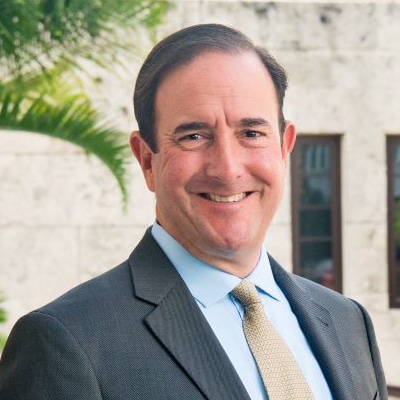
Michael Haggard, Esq.

Laurence Banville, Esq.

Eric Weitz, Esq.

Max Morgan, Esq.

Jeff Gibson, Esq.

Ervin Nevitt, Esq.

John Bey, Esq.

Aman Sharma, Esq.
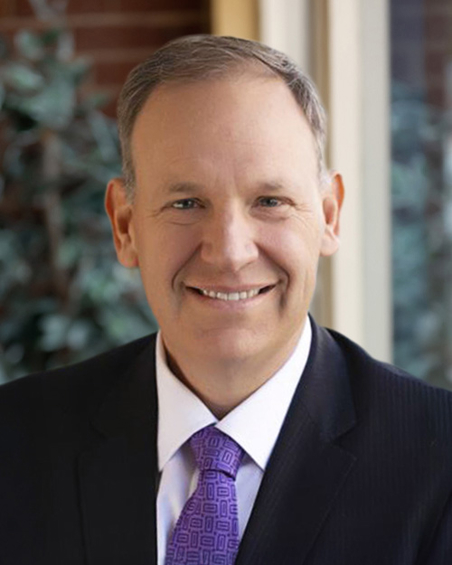
Dan Lipman, Esq.

Joshua Gillispie, Esq.

Jennifer Lipinski, Esq.

Aaron Blank, Esq.
Questions From Male Survivors
What Men Ask Us Most
Can men really file a sexual abuse lawsuit?
Yes. Men and boys have the same right to file a civil claim as any other survivor. The law does not treat male survivors differently, and a growing number of these cases are brought by men every year. Your gender does not limit your case or what it may be worth.
What if the abuse happened many years ago?
Many male survivors come forward decades later, and the law increasingly accounts for that. A number of states have extended or temporarily reopened their filing windows for childhood sexual abuse. The only way to know your deadline is to have an attorney check the law in the relevant state.
Do I have to report to the police first?
No. A civil case is independent of the criminal system. You do not need a police report, an arrest, or a conviction to bring a claim. You can pursue a civil case whether or not law enforcement was ever involved.
Will I have to testify in open court?
Most cases resolve through negotiated settlements without a trial. If testimony is needed, it is often given in a private deposition rather than open court. Your attorney prepares you for every step and works to protect your comfort and privacy throughout.
Can my case be kept confidential?
In most situations, yes. Court filings can often be made using initials or a pseudonym, and settlements frequently include confidentiality terms. You control how much is shared. Protecting your privacy is a core part of how these cases are handled.
What does it cost to hire a male sexual abuse lawyer?
Nothing upfront. These cases are handled on contingency, meaning the attorney is paid only if your case succeeds, as a percentage of the recovery. The consultation is free, and you owe no fees out of pocket to get started.
What kind of compensation is available?
Compensation can cover therapy and medical care, lost income or earning capacity, and the lasting emotional harm you have carried. Every case is different, and no one can promise an amount — but a civil claim is designed to provide real resources for recovery.
What if I'm not sure I'm ready to talk about it?
That is completely normal. A first conversation is just that — a conversation. You decide how much to share and whether to move forward. There is no pressure and no obligation. Many men start by simply asking a question.
Can I bring a claim if the abuser is dead or was never charged?
Often, yes. A civil claim can still proceed against an institution that enabled the abuse, even if the individual is deceased or was never criminally charged. The focus shifts to the organization's responsibility for what happened.
Who exactly can be sued in my case?
Potentially the abuser and any organization that employed, supervised, or sponsored them — a school, team, church, camp, or facility. An attorney reviews who was responsible for your safety and which of them can be held accountable.
Free & confidential
Talk to a male sexual abuse lawyer — free & confidential
Tell us only what you're comfortable sharing. A member of our team will respond privately, listen without judgment, and explain your options. No cost, no pressure, no obligation.
- 100% confidential — your privacy is protected
- No fee unless we win your case
- You stay in control of every step
Prefer to talk now? (877) 421-9608
Start your free case review
It only takes a minute. Share what you’re comfortable with.
You don’t have to carry this alone.
Take the first step on your terms. A free, confidential conversation could be the start of getting the justice and support you deserve.