Child Molestation Lawyer
If you or your child was molested, you can hold the abuser, and the institution that enabled it, accountable. You set the pace, and everything you share stays confidential.



What a child molestation lawyer does
A child molestation lawyer helps survivors of childhood sexual abuse seek justice and compensation.
A child molestation lawyer represents people who were sexually abused as children, whether the abuse happened recently or decades ago. They build a civil case against the person who committed the abuse and, just as importantly, against the school, church, youth program, or other organization that should have protected you and didn't. A civil claim is separate from any criminal case; it does not require a police report or a conviction to move forward.
These cases are about more than money. They are about being believed, naming what happened on your terms, and forcing the people and institutions that looked away to answer for it. A good attorney handles the legal weight so you can focus on your life, and explains every option in plain language before you decide anything.
Time limits do apply, and they vary by state. Many states have recently expanded or reopened the window to file. A free, confidential call simply tells you where you stand — no pressure, no obligation.
Why survivors trust us
Real attorneys. Proven results. Quiet strength.
Where this abuse happens
Common settings and defendants in child molestation cases
Molestation rarely happens in isolation. It usually happens inside an institution that gave the abuser access, trust, and time alone with children, and that institution can often be held responsible.
Churches and faith groups
Clergy, youth pastors, and volunteers given unsupervised access to children, with abuse reports buried or transferred rather than reported.
Schools and daycare
Teachers, coaches, aides, and bus drivers in public, private, and religious schools, plus daycare and preschool staff entrusted with young children.
Youth organizations
Scouting groups, sports leagues, clubs, camps, and mentoring programs where one-on-one contact with children was routine and poorly supervised.
Residential and foster settings
Group homes, foster placements, juvenile facilities, and treatment centers where vulnerable children had little power and few people listening.
Family and household abusers
Relatives, family friends, and trusted adults — claims may reach homeowners, related institutions, or others who knew and failed to act.
Medical and care providers
Doctors, therapists, and caregivers who exploited private exams or appointments, often shielded by the clinics and hospitals that employed them.
Liability
Who can be held responsible for child molestation?
The abuser is responsible, but so is any organization whose negligence gave them the opportunity. Most strong child molestation cases target an institution because it had the duty to screen, supervise, and protect children, and because it failed at that duty. Holding the institution accountable is also what often makes meaningful compensation possible and forces real change.
An attorney investigates what the organization knew and when it knew it. Liability commonly rests on claims like these:
- Negligent hiring and screening: putting an adult with red flags, prior complaints, or no background check in a position of trust with children.
- Negligent supervision: allowing unsupervised one-on-one contact, ignoring policy violations, or failing to monitor known risks.
- Negligent retention: keeping an abuser on staff, or quietly transferring them, after complaints were already made.
- Failure to report: staff or leaders who were legally required to report suspected abuse and stayed silent.
- Cover-up and concealment: destroying records, intimidating victims, or hiding patterns of abuse to protect the institution's reputation.
Simple & safe
How it works
Reach out privately
Call or fill out a short, confidential form. Tell us only what you’re comfortable sharing.
We listen & match you
We connect you with an attorney licensed in your state who handles your type of case.
You decide what’s next
Your free consultation is no-obligation. If you move forward, there’s no fee unless you win.
Named, credentialed, local
Attorneys licensed in your state
Every connection is to a real attorney with verifiable credentials and a record of holding institutions accountable.
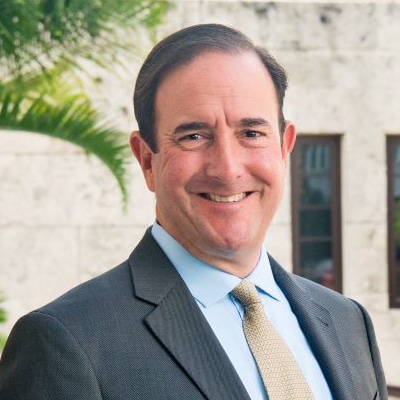
Michael Haggard, Esq.

Laurence Banville, Esq.

Eric Weitz, Esq.

Max Morgan, Esq.

Jeff Gibson, Esq.

Ervin Nevitt, Esq.

John Bey, Esq.

Aman Sharma, Esq.

Dan Lipman, Esq.

Joshua Gillispie, Esq.

Jennifer Lipinski, Esq.

Aaron Blank, Esq.
Questions survivors ask
Child molestation lawsuits, answered
How much does a child molestation lawyer cost?
Nothing upfront. These cases are handled on a contingency basis, which means you pay no hourly fees and no out-of-pocket costs. The attorney is paid a percentage only if your case results in a settlement or verdict. The first consultation is always free and confidential, so you can ask questions with no obligation.
Is it too late to file if the abuse happened years ago?
Often, no. Many states have extended or removed their deadlines for childhood sexual abuse claims, and some have opened special windows that revive old cases. Because the rules vary by state and depend on your age and the facts, the only reliable answer comes from a lawyer reviewing your situation. It costs nothing to ask.
Can I sue if the abuser was never criminally charged or convicted?
Yes. A civil case is completely separate from the criminal system. You do not need a police report, an arrest, or a conviction to file a civil claim. Civil cases also use a lower burden of proof than criminal cases, so survivors can win accountability and compensation even when prosecutors never acted.
Who can be sued in a child molestation case?
The abuser can be sued, and so can any institution whose negligence enabled the abuse — a school, church, youth program, daycare, foster agency, or employer. Institutions are often the focus because they had a duty to protect children and frequently have the resources to provide real compensation.
What compensation can a survivor recover?
Compensation can cover therapy and future mental health care, medical costs, lost earnings and reduced earning capacity, and damages for pain, trauma, and the lasting effects of abuse. In cases involving especially reckless conduct or cover-ups, additional punitive damages may be available. An attorney can estimate a realistic range for your situation.
Will I have to testify or go to court?
Most child molestation cases settle without a trial, so many survivors never testify in a courtroom. If your case does require testimony, your attorney prepares you fully and stays beside you throughout. Trauma-informed lawyers work to protect you from unnecessary contact with the abuser and to keep the process as gentle as possible.
Can a parent file on behalf of their child?
Yes. A parent or legal guardian can bring a claim on behalf of a minor child. When the survivor is still a child, the deadline to file is often paused until they reach adulthood, but acting sooner helps preserve evidence and witnesses. A lawyer can explain exactly how the timeline applies to your family.
Will my case be kept private?
Your privacy is protected. Initial conversations are confidential, and survivors can often file using initials or a pseudonym rather than their full name. Many cases resolve through private settlements. Your attorney will explain every step taken to shield your identity and your story before anything moves forward.
How long does a child molestation case take?
It varies. Some cases resolve in several months through settlement, while contested cases against large institutions can take longer. Your attorney handles the legal work and keeps you updated, so the timeline never depends on you chasing answers. The pace is set to protect your interests, not to rush you.
What is the first step to starting a case?
The first step is a free, confidential conversation — by phone or message, whenever you're ready. You share only what you're comfortable sharing, the attorney listens and explains your options, and you decide what happens next. There is no pressure and no obligation to move forward.
Free & confidential
Talk to a child molestation lawyer: free & confidential
Tell us what happened in your own words and at your own pace. A survivor-first attorney will review your situation privately, explain your options, and there is never any cost or obligation to reach out.
- 100% confidential — your privacy is protected
- No fee unless we win your case
- You stay in control of every step
Prefer to talk now? (877) 421-9608
Start your free case review
It only takes a minute. Share what you’re comfortable with.
You don’t have to carry this alone.
Take the first step on your terms. A free, confidential conversation could be the start of getting the justice and support you deserve.