Youth Organization Abuse Lawyer
If you were harmed inside a scouting troop, club, camp, or youth program, you deserve to be heard. We will listen, believe you, and explain your options — privately and at your pace.


What we do
A youth organization abuse lawyer helps survivors hold programs and institutions accountable.
A youth organization abuse lawyer represents people who were sexually abused as children or teens inside organized programs — scouting troops, sports leagues, youth clubs, summer camps, mentoring groups, and faith-based youth ministries. These cases are not just about one person who caused harm. They are about the organizations that recruited, supervised, and were trusted to protect you.
You do not need to have every detail or document figured out. You do not need to know whether you have a case. Our role is to listen with care, explain how these claims work in plain language, and carry the legal weight so you can focus on your own healing.
Time limits do apply, and they vary by state. Many states have recently expanded or reopened the window to file. A free, confidential call simply tells you where you stand — no pressure, no obligation.
Why survivors trust us
Real attorneys. Proven results. Quiet strength.
Where this abuse happens
Programs and defendants we handle
Youth organization cases span many settings. If your experience isn't listed here, it still belongs — reach out and we'll talk it through.
Scouting organizations
Troops, packs, and councils — including national programs with documented histories of abuse and decades of internal reporting failures.
Sports leagues & clubs
Community and travel teams, gymnastics, swim, and athletic clubs where coaches and staff were given private access to young athletes.
Summer & overnight camps
Day camps, sleepaway camps, and wilderness programs where counselors and staff supervised children far from home.
Mentoring & after-school programs
Big-sibling style mentoring, youth centers, and after-school programs built on one-on-one adult-to-child relationships.
Faith-based youth ministries
Church youth groups, religious camps, and parish programs where trusted leaders had unsupervised contact with minors.
Clubs & enrichment groups
Music, theater, academic, and special-interest clubs where instructors and volunteers worked closely with young members.
Accountability
Who can be held responsible for youth organization abuse?
Responsibility often extends well beyond the individual who caused the harm. Youth organizations have a duty to screen, train, and supervise the adults they place around children — and when they fail, the organization itself can be held accountable. In many cases, internal records show that warnings existed and were ignored.
Depending on the facts, a claim may be brought against:
- The national or local organization that recruited the abuser, controlled the program, and set its safety policies.
- Negligent hiring and screening — placing an adult around children without proper background checks or vetting.
- Negligent supervision and retention — allowing one-on-one access, ignoring complaints, or keeping a known abuser in place.
- Failure to report — concealing allegations from families or authorities instead of acting on them.
- Affiliated sponsors and venues — schools, churches, or community groups that hosted or chartered the program.
Simple & safe
How it works
Reach out privately
Call or fill out a short, confidential form. Tell us only what you’re comfortable sharing.
We listen & match you
We connect you with an attorney licensed in your state who handles your type of case.
You decide what’s next
Your free consultation is no-obligation. If you move forward, there’s no fee unless you win.
Named, credentialed, local
Attorneys licensed in your state
Every connection is to a real attorney with verifiable credentials and a record of holding institutions accountable.
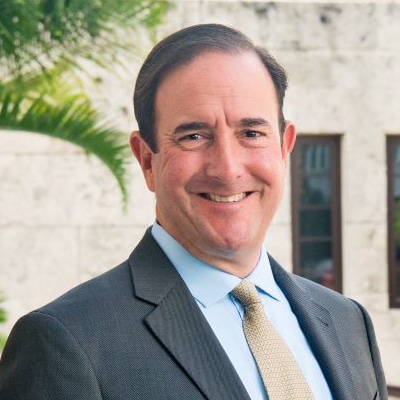
Michael Haggard, Esq.

Laurence Banville, Esq.

Eric Weitz, Esq.

Max Morgan, Esq.

Jeff Gibson, Esq.

Ervin Nevitt, Esq.
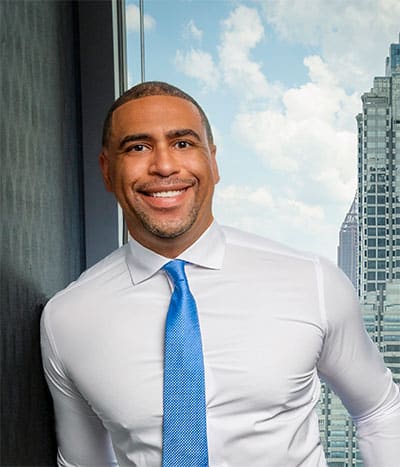
John Bey, Esq.

Aman Sharma, Esq.

Dan Lipman, Esq.

Joshua Gillispie, Esq.

Jennifer Lipinski, Esq.

Aaron Blank, Esq.
Your questions
Youth organization abuse claims, answered
What does a youth organization abuse lawyer do?
A youth organization abuse lawyer investigates what happened, identifies which organizations may be responsible, and pursues compensation on your behalf. We handle the legal process — gathering records, dealing with institutions and insurers, and protecting your privacy — so you can focus on your wellbeing rather than paperwork or confrontation.
How much does it cost to hire a youth organization abuse lawyer?
Nothing upfront. We work on a contingency basis, which means you pay no fees unless and until we recover compensation for you. The first conversation is always free and confidential, with no obligation to move forward. You will never be asked for money out of pocket to pursue your claim.
Is there a deadline to file a youth organization abuse claim?
Time limits exist, but many states have expanded or reopened them for childhood sexual abuse — and some have temporary windows that allow older claims. Deadlines vary by state and by the facts of your case. The calm, practical step is simply to ask. We will check the current rules that apply to you, at no cost.
Can I still file if the abuse happened decades ago?
Often, yes. Many survivors come forward years or even decades later, and the law increasingly recognizes that this is normal. Several states have changed their rules specifically to give adult survivors of childhood abuse a path to justice. The only way to know your options is to have someone review your specific situation.
What compensation may be available?
Compensation can cover the cost of therapy and medical care, lost income or earning capacity, and the profound personal harm you experienced. Some cases also involve settlement funds established by organizations to compensate survivors. Every case is different — we will give you an honest, grounded picture rather than an inflated promise.
Who can be sued in a youth organization abuse case?
Often the organization itself, not just the individual. National and local chapters, sponsoring institutions, and the people responsible for hiring and supervision can all share liability when they failed to protect children. Holding the organization accountable is frequently the heart of these cases — and what drives meaningful change.
Will I have to testify in court?
Most cases resolve through settlement, and many survivors never see a courtroom. If your case does move toward trial, we prepare and support you every step of the way, and we work to limit how often you must recount your experience. You stay in control of how much you share and when.
Is my conversation with you confidential?
Yes. Everything you tell us is private and protected. You can speak with us without filing anything, without using your full name at first, and without any pressure to proceed. Confidentiality is a foundation of how we work — your story stays yours, and you decide what happens next.
What if the organization already has a settlement fund?
Some large youth organizations have created settlement trusts to compensate survivors after legal proceedings. These funds have specific rules, deadlines, and claim processes that can be confusing to navigate alone. A lawyer can confirm whether a fund applies to you, protect your rights within it, and make sure your claim is handled correctly.
I'm not sure I'm ready. Can I just ask questions first?
Absolutely. You are welcome to reach out simply to understand your options, with no commitment to take any action. There is no wrong way to start, and there is no pressure. When and whether you move forward is entirely your decision — we are here whenever you feel ready.
Free & confidential
Talk to a youth organization abuse lawyer — free & confidential
Share as much or as little as you're comfortable with. We will listen, believe you, and explain your options privately.
- 100% confidential — your privacy is protected
- No fee unless we win your case
- You stay in control of every step
Prefer to talk now? (877) 421-9608
Start your free case review
It only takes a minute. Share what you’re comfortable with.
You don’t have to carry this alone.
Take the first step on your terms. A free, confidential conversation could be the start of getting the justice and support you deserve.
Explore more