Mormon (LDS) Sexual Abuse Lawsuit
If you were harmed within the LDS Church, you can pursue a civil claim. We will listen, believe you, and explain your options — calmly and at your pace.

What a lawsuit can do
If you were abused within the LDS Church, you may be able to file a civil lawsuit against the institution
A Mormon (LDS) sexual abuse lawsuit is a civil case — separate from any criminal matter — that seeks accountability and compensation from The Church of Jesus Christ of Latter-day Saints and the leaders or programs responsible for your safety. It is not about proving a crime beyond a reasonable doubt. It is about showing that an institution failed in its duty to protect you.
Survivors across the country have brought claims tied to bishops, missionaries, youth and Scouting leaders, seminary instructors, and church-sponsored activities. You do not need to have all the answers today. You only need to be ready to tell your story to someone who will believe you and protect your dignity throughout.
Time limits do apply, and they vary by state. Many states have recently expanded or reopened the window to file. A free, confidential call simply tells you where you stand — no pressure, no obligation.
Why survivors trust us
Real attorneys. Proven results. Quiet strength.
Institutional accountability
How is the LDS Church held responsible?
A civil claim looks at the conduct of the institution itself — not only the individual who caused harm. Survivors and their attorneys have raised concerns about how the church's own structures and policies handled abuse reports. Commonly alleged institutional failures include:
- The abuse "helpline" controversy. Survivors have alleged that an internal legal helpline used by local bishops shaped how abuse reports were handled — at times steering matters away from civil authorities rather than toward them.
- Clergy-penitent privilege used as a shield. Critics contend confidentiality rules were applied in ways that discouraged or prevented leaders from reporting abuse disclosed in pastoral settings.
- Negligent selection and supervision. Lay bishops, missionaries, and youth leaders are often placed in positions of trust with minors; survivors allege inadequate vetting, training, and oversight.
- Ignored warnings and repeat offenders. Once an institution is on notice that someone poses a danger, it can be held to a duty to act to protect members rather than look away.
- Failure to report and to warn. Allegations frequently center on decisions that kept families and congregations from knowing about a known risk.
Hundreds of lawsuits have been filed nationwide, with notable concentrations in states like California and Arizona. The specific facts and legal theories vary from case to case — a lawyer can tell you which may apply to yours.
Where harm has happened
Common LDS abuse scenarios
Every survivor's experience is different. These are situations we hear about most often.
By a bishop or church leader
Abuse by a bishop, stake leader, or other person holding ecclesiastical authority over a member.
In youth or Scouting programs
Harm during young men's and young women's activities, camps, or church-sponsored Scouting.
On a mission or in seminary
Abuse involving missionaries, mission leadership, or seminary and institute instructors.
In foster or adoption programs
Harm tied to church-affiliated foster care, adoption, or family services placements.
Simple & safe
How it works
Reach out privately
Call or fill out a short, confidential form. Tell us only what you’re comfortable sharing.
We listen & match you
We connect you with an attorney licensed in your state who handles your type of case.
You decide what’s next
Your free consultation is no-obligation. If you move forward, there’s no fee unless you win.
Named, credentialed, local
Attorneys licensed in your state
Every connection is to a real attorney with verifiable credentials and a record of holding institutions accountable.
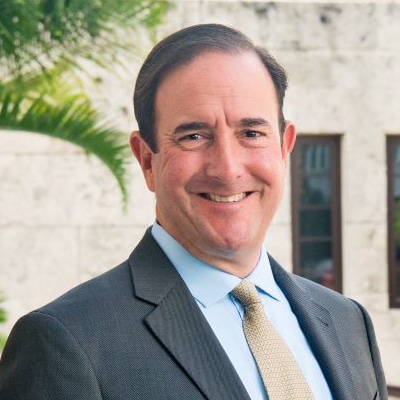
Michael Haggard, Esq.

Laurence Banville, Esq.

Eric Weitz, Esq.

Max Morgan, Esq.

Jeff Gibson, Esq.

Ervin Nevitt, Esq.

John Bey, Esq.

Aman Sharma, Esq.

Dan Lipman, Esq.

Joshua Gillispie, Esq.

Jennifer Lipinski, Esq.

Aaron Blank, Esq.
Your questions, answered
Mormon (LDS) abuse lawsuit FAQ
Can I sue the LDS Church itself, not just the person who abused me?
Often, yes. A civil claim can name the institution when its own failures — such as negligent supervision, ignored warnings, or failure to report — allowed the abuse to happen or continue. A lawyer reviews your facts to determine which parties may be held responsible in your case.
How much does it cost to hire a lawyer?
Nothing upfront. These cases are handled on a contingency basis, meaning you pay no fees unless and until your case results in a recovery. The first consultation is free and confidential, so you can understand your options at no cost or obligation.
Is there a deadline to file a Mormon abuse lawsuit?
Yes — deadlines (statutes of limitations) apply and vary by state, the survivor's age, and when the harm occurred. Some states have opened special filing windows for older claims. Because timing matters, it is worth confirming your deadline early with an attorney rather than assuming it has passed.
What compensation can a survivor recover?
Civil claims can seek compensation for therapy and medical care, lost income or earning capacity, and the emotional harm you have carried. The goal is accountability and support for your recovery — not a fixed figure. An attorney can explain what may be realistic for your situation.
Do I need to have filed a police report?
No. A police report is not required to bring a civil case. Many survivors come forward years later and never reported at the time. Your account, records, and other evidence can support a civil claim independently of any criminal process.
Will my case be kept confidential?
Your first conversation is private and protected. Many survivors are able to proceed with strong privacy safeguards, and some matters resolve without a public trial. Your lawyer will discuss the options for protecting your identity and explain what to expect at each step.
What if the abuse happened many years or decades ago?
Older claims are common in LDS cases, which often span decades. Changes in some state laws have created paths for survivors of long-past abuse to come forward. It is worth asking — what feels too late may still be actionable.
What if I am not sure I have enough to prove my case?
You do not need proof gathered before you call. Part of an attorney's job is to investigate, locate records, and identify other witnesses or survivors. Start by telling your story; we will help you understand what comes next.
Free & confidential
Talk to a lawyer about your Mormon (LDS) case
Share what you are comfortable sharing. A caring, experienced attorney will review your situation privately and at no cost — there is no pressure and no obligation.
- 100% confidential — your privacy is protected
- No fee unless we win your case
- You stay in control of every step
Prefer to talk now? (877) 421-9608
Start your free case review
It only takes a minute. Share what you’re comfortable with.
You don’t have to carry this alone.
Take the first step on your terms. A free, confidential conversation could be the start of getting the justice and support you deserve.