Nursing Home Sexual Abuse Lawyer
If you or someone you love was sexually abused in a nursing home, you are believed. We help families hold facilities accountable — calmly, privately, and at your pace.



What we do
A nursing home sexual abuse lawyer helps you hold the facility accountable and seek justice
A nursing home sexual abuse lawyer represents residents — and the families who love them — when a facility's staff, another resident, a contractor, or a visitor commits sexual abuse, assault, or unwanted contact. Your attorney investigates what happened, identifies who failed to protect your loved one, and pursues compensation through a civil claim, separate from any criminal case.
You do not need every answer or every document to begin. You only need to reach out. We listen first, explain your options in plain language, and move only when you are ready. Nothing is your loved one's fault, and nothing about coming forward should feel rushed or shameful.
Time limits do apply, and they vary by state. Many states have recently expanded or reopened the window to file. A free, confidential call simply tells you where you stand — no pressure, no obligation.
Why survivors trust us
Real attorneys. Proven results. Quiet strength.
Where this happens
Settings and defendants in nursing home abuse cases
Sexual abuse in long-term care can occur in many settings and involve more than one responsible party. These are the most common.
Skilled Nursing Facilities
Licensed nursing homes where understaffing, poor supervision, and ignored complaints can leave residents exposed to abuse.
Assisted Living & Memory Care
Assisted living and dementia care units where residents who cannot consent or report are especially vulnerable.
Staff & Caregivers
Nurses, aides, orderlies, and contract workers who exploit access during bathing, dressing, toileting, or overnight shifts.
Other Residents & Visitors
Resident-on-resident abuse and abuse by visitors that the facility failed to prevent, monitor, or stop.
Corporate Owners & Operators
The chains and management companies whose staffing, hiring, and screening decisions created the danger.
Staffing & Contract Agencies
Third-party agencies that placed unscreened or unsupervised workers inside the facility.
Accountability
Who can be held responsible for nursing home sexual abuse?
More than just the individual abuser can be held responsible. Nursing homes have a legal duty to keep residents safe, and when that duty is broken, the facility and its owners can be held accountable for the harm. A civil claim looks at every party whose negligence allowed the abuse to happen.
- Negligent hiring and screening — failing to run background checks or hiring staff with known histories of misconduct.
- Inadequate supervision and staffing — chronic understaffing and unmonitored shifts that left residents alone with abusers.
- Failure to report or investigate — ignoring complaints, warning signs, or mandatory-reporting duties under state and federal law.
- Failure to protect known-vulnerable residents — not safeguarding residents with dementia or limited mobility who could not consent or call for help.
- Negligent retention — keeping an employee, contractor, or resident on after red flags or prior incidents were known.
Simple & safe
How it works
Reach out privately
Call or fill out a short, confidential form. Tell us only what you’re comfortable sharing.
We listen & match you
We connect you with an attorney licensed in your state who handles your type of case.
You decide what’s next
Your free consultation is no-obligation. If you move forward, there’s no fee unless you win.
Named, credentialed, local
Attorneys licensed in your state
Every connection is to a real attorney with verifiable credentials and a record of holding institutions accountable.
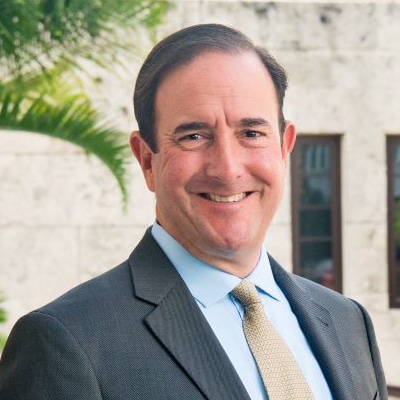
Michael Haggard, Esq.

Laurence Banville, Esq.

Eric Weitz, Esq.

Max Morgan, Esq.

Jeff Gibson, Esq.

Ervin Nevitt, Esq.

John Bey, Esq.

Aman Sharma, Esq.

Dan Lipman, Esq.

Joshua Gillispie, Esq.

Jennifer Lipinski, Esq.

Aaron Blank, Esq.
Answers
Nursing home sexual abuse — your questions, answered
Do nurses and nursing home staff have to report sexual abuse?
Yes. Nurses and care staff are mandatory reporters under state and federal law, and they must report suspected sexual abuse promptly to the proper authorities. When a facility fails to report, ignores complaints, or covers up an incident, that failure can become part of your civil claim against the home.
What counts as sexual abuse or misconduct in a nursing home?
Sexual abuse includes any unwanted sexual contact or activity with a resident — touching, fondling, assault, rape, or coercing a resident into sexual acts or exposure. Because many residents cannot legally consent due to dementia or incapacity, sexual contact in those situations is abuse even when it appears the resident agreed.
What are the red flags of sexual abuse in a nursing home?
Warning signs include unexplained bruising around the breasts or genitals, torn or bloody clothing, new infections, sudden fear of a particular caregiver, withdrawal, agitation, or trouble sleeping. A change in mood or behavior can be the first signal. If something feels wrong, trust that instinct and ask questions.
What is the biggest complaint and most common violation in nursing homes?
The most common complaints involve neglect, understaffing, and poor supervision — the same failures that allow sexual abuse to occur. Frequent violations include inadequate staffing, failure to prevent abuse, failure to report incidents, and poor hiring practices. These violations often form the backbone of a civil case.
How much does a nursing home sexual abuse lawyer cost?
Nothing upfront. We work on a contingency fee, which means there is no charge to talk with us, no hourly bills, and no out-of-pocket cost. We are only paid if we recover compensation for your family. Your first consultation is always free and confidential.
Is there a deadline to file a nursing home sexual abuse claim?
Yes, and the deadline (the statute of limitations) varies by state and by the facts of your case. Many states have expanded the time survivors have to come forward. The calm, practical step is to ask — a short, free conversation tells you exactly where you stand, with no obligation.
What compensation can a nursing home sexual abuse claim recover?
A claim can seek compensation for medical and counseling care, relocation to a safer facility, the physical and emotional harm your loved one suffered, and in some cases punitive damages meant to hold the facility accountable. The goal is both justice and the resources your family needs to heal.
Will my loved one have to testify in court?
Often, no. Most nursing home abuse cases resolve through settlement without a trial. If testimony is ever needed, it can frequently be given privately or by deposition, with protections in place. We prepare and support your family every step, and we never push anyone faster than they are ready to go.
Is talking to a nursing home abuse lawyer confidential?
Yes, completely. Everything you share is private and protected. Reaching out does not commit you to filing anything — it is simply a confidential conversation so you understand your options. You decide what happens next, and you stay in control the entire time.
Can we still bring a claim if there is also a criminal investigation?
Yes. A civil claim is separate from any criminal case. A criminal case is brought by the state to punish the abuser; a civil claim is your family's path to accountability and compensation from the facility. The two can move forward at the same time, and one does not depend on the other.
Free & confidential
Talk to a nursing home sexual abuse lawyer — free & confidential
Tell us what happened in your own words and at your own pace. We listen first, we believe you, and there is never a fee unless we win.
- 100% confidential — your privacy is protected
- No fee unless we win your case
- You stay in control of every step
Prefer to talk now? (877) 421-9608
Start your free case review
It only takes a minute. Share what you’re comfortable with.
You don’t have to carry this alone.
Take the first step on your terms. A free, confidential conversation could be the start of getting the justice and support you deserve.